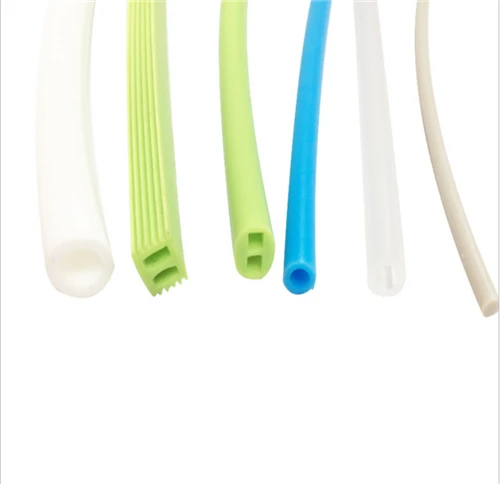
In the production of silicone tubing, controlling the extrusion size is crucial. Below, we will guide you through three simple steps to understand how to adjust the extrusion size of silicone tubing.
I. Adjusting the parameters of the extruder
First, the extruder parameters need to be adjusted according to the required silicone tube size. This includes extrusion speed, temperature, and pressure. Extrusion speed that is too high may lead to unstable silicone tube dimensions, while speed that is too low will affect production efficiency. At the same time, appropriate temperature helps to ensure uniform extrusion of the silicone, avoiding air bubbles or breakage. Pressure adjustment is also crucial to ensure that the silicone is extruded evenly and stably through the die.
II. Selecting a suitable mold
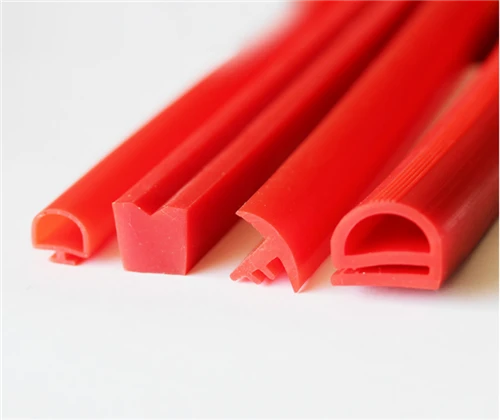
The choice of die directly affects the extrusion dimensions of silicone tubes. The die's orifice diameter and shape determine the diameter and appearance of the silicone tube. Therefore, when selecting a die, it should be precisely matched according to the required size and shape of the silicone tube. At the same time, the die's material and manufacturing process also affect the extrusion quality and dimensional stability.
III. Monitoring and Adjusting the Extrusion Process
During the silicone tube extrusion process, it is necessary to monitor the extrusion dimensions in real time and make adjustments as needed. If the extruded silicone tube is found to be too large or too small, adjustments can be made by fine-tuning the extruder parameters or replacing the die with a suitable one. Furthermore, regular maintenance and upkeep of the extruder and die are also crucial factors in ensuring stable extruded silicone tube dimensions.