I. Control of extrusion temperature
Precise temperature control is crucial during silicone sealing strip extrusion. Excessively high temperatures can cause silicone to deteriorate and decompose, affecting product performance and lifespan. Conversely, excessively low temperatures make extrusion difficult, impacting production efficiency. Therefore, temperature control is essential during extrusion to ensure the process operates within the optimal temperature range.
II. Selection of Extruder
Choosing the right extruder for extruding silicone sealing strips is crucial. Generally, a twin-screw extruder is recommended, as it ensures more uniform silicone extrusion and maintains consistent extrusion volume.

III. Mold Structure Design
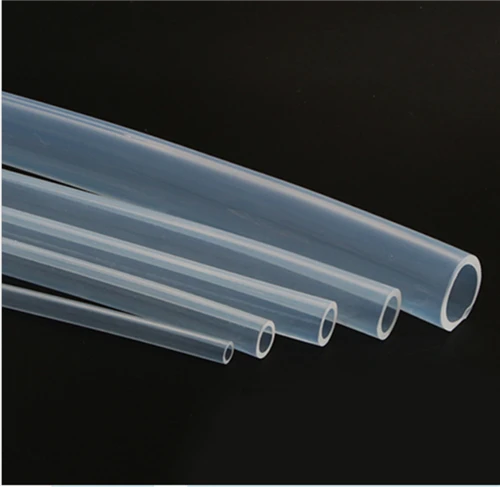
The mold structure of silicone sealing strips is also a crucial factor affecting the extrusion quality. When designing the mold structure, it's essential to consider the intended use and shape of the silicone sealing strip to ensure the extruded strip's shape and dimensions are accurate.
IV. Control of Extrusion Speed
Extrusion speed is also a crucial factor affecting the extrusion quality of silicone sealing strips. Excessive extrusion speed can lead to defects such as bubbles and flow marks on the surface of the silicone sealing strip, impacting product quality. Therefore, it is essential to control the extrusion speed during the extrusion process to ensure that the extruded silicone sealing strip is smooth and free of defects.
V. Cooling and Cutting After Extrusion
After extrusion, the silicone sealing strips need to be cooled and cut. Cooling must be uniform, and cutting must be accurate to ensure the product meets the required dimensions and shape.
In summary, when extruding silicone sealing strips, attention should be paid to factors such as extrusion temperature, extruder selection, mold structure, and extrusion speed to ensure product quality and production efficiency.