I. Characteristics of Silicone Tubes
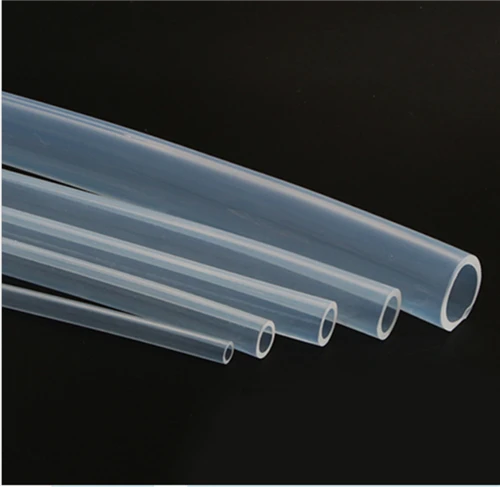
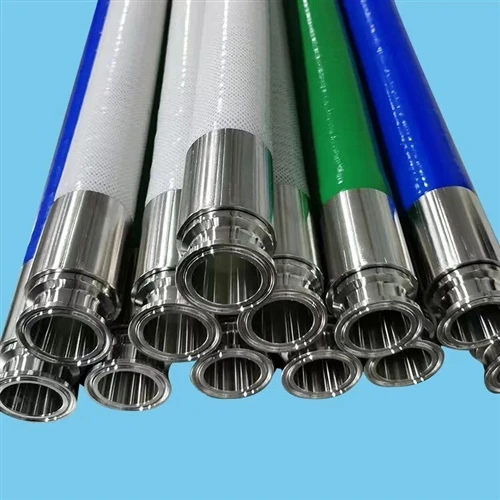
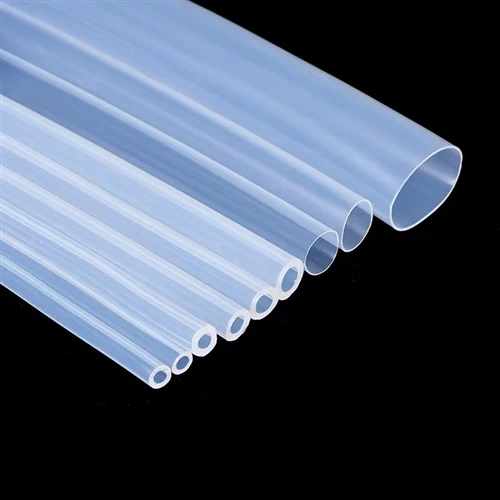
Silicone tubing is a type of tubing with excellent high-temperature and pressure resistance, electrical insulation, and chemical stability. It can withstand temperatures up to 200°C, and its extremely low toxicity and near-odorless nature make it highly reliable. In addition to its high-temperature and pressure resistance, radiation resistance, and good insulation properties, silicone tubing also possesses excellent flexibility, aging resistance, acid and alkali resistance, and durability. Therefore, it is widely used in various fields such as food, medical, semiconductor, electrical, aerospace, chemical, machinery, and construction.

II. Are silicone tubings susceptible to freezing and cracking?
Silicone tubing is very stable under normal use conditions, but it may crack under extreme low temperatures, such as when used outdoors in cold winters. Although silicone tubing is relatively heat-resistant, it hardens at low temperatures, and its flexibility and elasticity decrease, increasing the risk of brittleness and cracking.
III. Protective Measures
1.When installing silicone tubing, place it in a location where it will not come into contact with cold air or water flow, and avoid contact between the silicone tubing and frozen water.
2.An insulating protective sleeve or film can be placed over the surface of the silicone tube to increase its thermal insulation performance.
3. Apply antifreeze or insulation material to the surface of the silicone tube to increase its antifreeze properties.
4. For silicone tubing that will not be used for a long time, drain as much water as possible before storing it, and check the condition of the silicone tubing regularly during storage to avoid moisture or leakage, so as not to affect the normal use of the pipe.