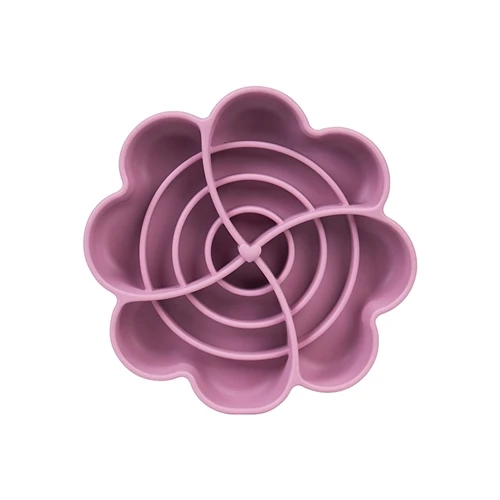
in the production of silicone molded products . They not only affect the product's appearance but can also reduce its performance and lifespan. To reduce burrs and improve product quality, the following aspects can be addressed:
I. Optimize mold design
Mold design is crucial for minimizing burrs. A well-designed mold structure ensures uniform flow of silicone material during molding, reducing overflow and burr formation. During the design process, attention should be paid to key areas such as the parting line, venting channels, and overflow channels, ensuring their positions and dimensions are appropriate.
II. Precise control of process parameters
molded silicone products include temperature, pressure, and time. Controlling these parameters directly affects product quality and the formation of burrs. These parameters should be precisely set and adjusted according to the characteristics of the silicone material and product requirements to ensure stability and consistency during the molding process.

III. Selection of high-quality raw materials
The quality of silicone raw materials also significantly impacts the formation of burrs. Using high-quality silicone raw materials can effectively reduce the content of impurities and substandard additives, minimizing the risk of burrs and other quality problems. Simultaneously, establishing long-term partnerships with reliable suppliers ensures a stable supply and controllable quality of raw materials.
IV. Implement effective post-processing measures
Even with meticulous attention to detail in the aforementioned steps, it can sometimes be difficult to completely avoid the formation of burrs. Therefore, implementing effective post-processing measures is essential. For example, methods such as trimming and sanding can be used to remove burrs from the product surface, improving its appearance and performance. Simultaneously, the waste generated during post-processing should be properly disposed of to reduce production costs and environmental pollution.