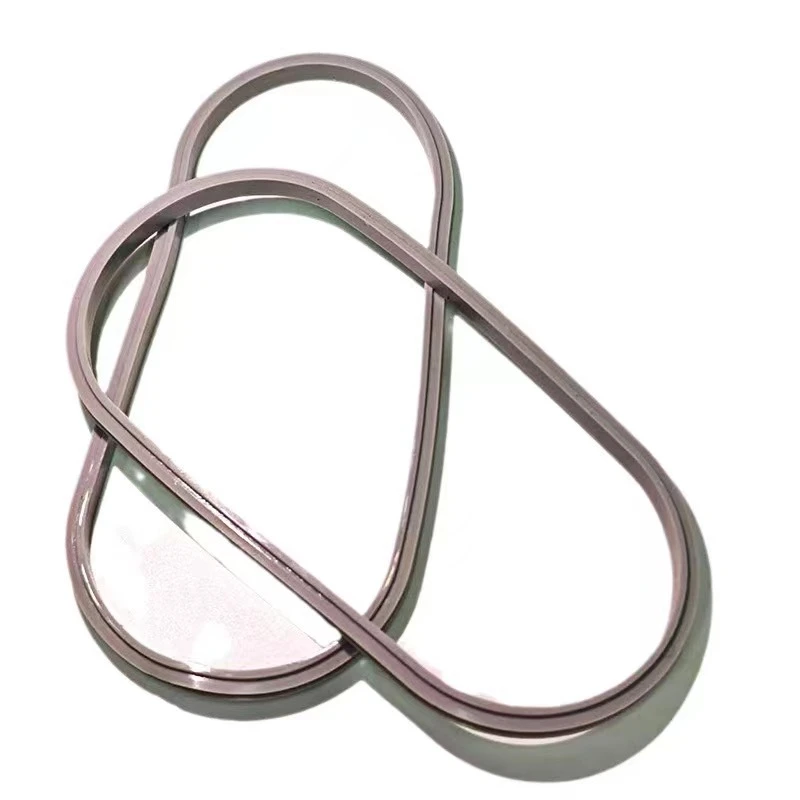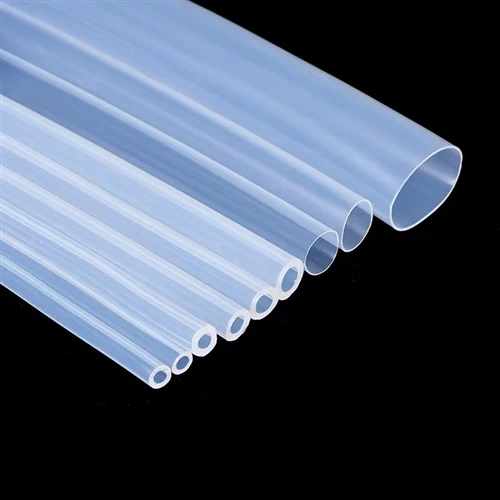
I. Basic High Temperature Resistance of Silicone Sealing Rings
Silicone is a polymer compound known for its excellent thermal stability. Generally, ordinary silicone sealing rings maintain good physical and chemical properties at high temperatures (typically between 100°C and 200°C), and are not prone to deformation, melting, or releasing harmful substances. This means that in daily use, whether filled with hot water or placed in a warm environment, silicone sealing rings can effectively perform their sealing function, ensuring the water cup's airtightness and safety.
II. Specific performance under high temperature conditions
While silicone sealing rings possess a certain degree of high-temperature resistance, their performance at high temperatures can vary depending on the brand and quality. Some high-quality silicone sealing rings undergo special processing, resulting in superior high-temperature resistance and the ability to withstand higher temperatures without adverse effects. Conversely, some inferior or untreated silicone sealing rings may soften, deform, or even crack at high temperatures, thus affecting the sealing effect and lifespan of the water bottle.
III. How to ensure the high-temperature resistance and safety of silicone sealing rings
To ensure the safe use of silicone seals in high-temperature environments, consumers can take the following measures:
1. Choose well-known brands: When purchasing, try to choose water cups and silicone sealing rings from well-known brands. These brands usually have stricter control over product quality and can provide more reliable high-temperature resistance.
2. Check the product description: Before purchasing, carefully read the high temperature resistance markings and precautions on the product instruction manual or label to understand the high temperature resistance range and limitations of the silicone sealing ring.
3. Avoid extreme temperatures: Although silicone sealing rings have a certain degree of heat resistance, prolonged exposure to extremely high temperatures may still damage them. Therefore, avoid placing the water cup directly near a heat source or in a high-temperature baking environment during use.
4. Regular Inspection and Replacement: Over time and due to material aging, the high-temperature resistance of silicone sealing rings may gradually decrease. Therefore, it is recommended to regularly check the condition of the silicone sealing rings and replace them with new ones as needed to ensure the water cup's sealing and safety.