Molding process
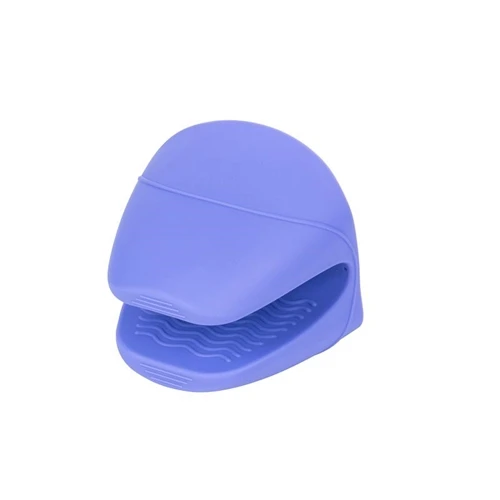
This is the most common process. First, the mixed silicone raw material is placed into a specially made mold according to a certain weight or volume requirement. The mold needs to be preheated to a suitable temperature. Then, the mold is closed, and under certain pressure and temperature, the silicone raw material undergoes a vulcanization reaction within the mold, transforming from raw rubber into a silicone product with a specific shape and properties. This process is suitable for producing silicone pads with various complex shapes and high dimensional accuracy requirements, such as silicone button pads for mobile phones.
Extrusion process
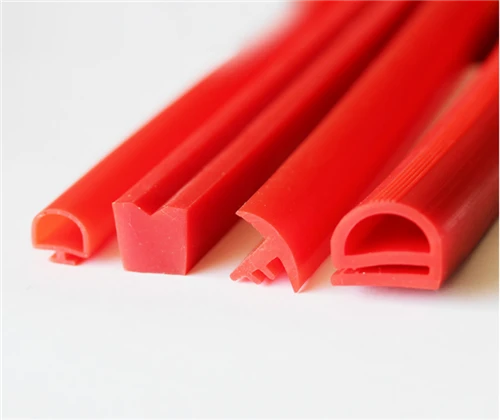
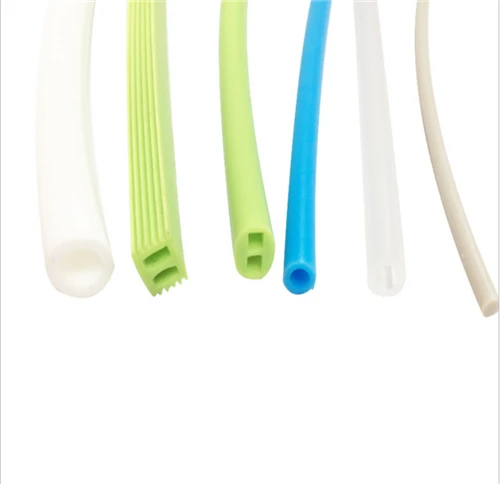
Silicone raw material is fed into the hopper of an extruder. Driven by a screw, the silicone raw material is heated, plasticized, and extruded through a die of a specific shape to form continuous silicone strips or tubes. It is then vulcanized to set its shape. This process is commonly used to produce long, tubular silicone gaskets, such as door and window sealing gaskets.
Liquid injection molding process
The A and B components of liquid silicone are mixed in a precise ratio and then rapidly injected into a precision mold using an injection molding machine, where they are quickly vulcanized and molded. This process offers high production efficiency, high product precision, and stable quality, making it suitable for mass production of small, precision silicone pads, such as silicone cushioning pads inside electronic devices.