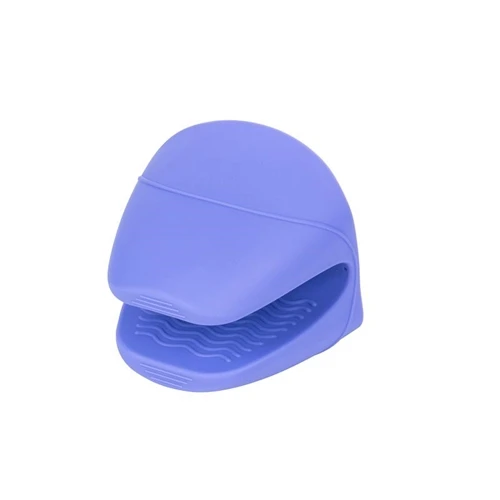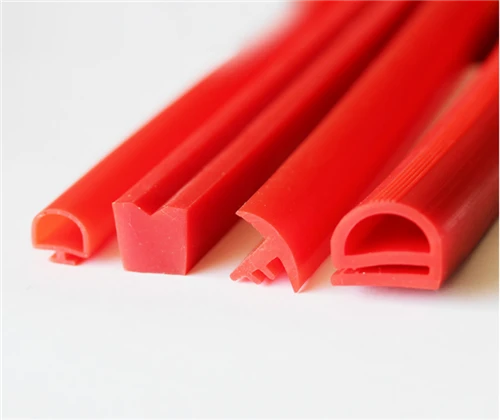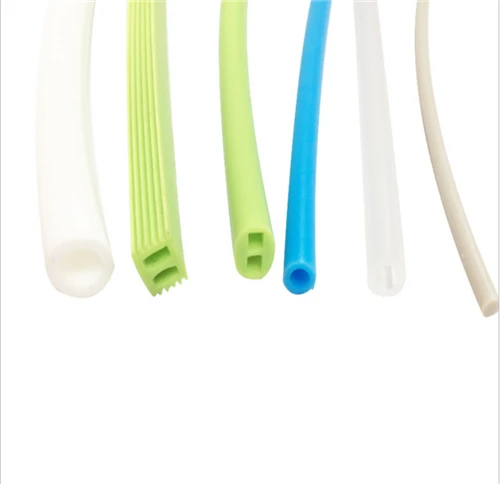
Silicone, as a high-performance elastic material, is widely used in industrial production due to its unique physical and chemical properties. Silicone parts typically possess characteristics such as high temperature resistance, corrosion resistance, aging resistance, good insulation properties, and excellent elasticity, thus finding wide application in various fields including machinery, electronics, automobiles, and medical devices.
From a technical perspective, the production of miscellaneous silicone parts mainly relies on the molding process of silicone materials. Among these processes, compression molding is the most common. Compression molding involves placing silicone raw material into a mold and shaping it under high temperature and pressure to obtain silicone parts of various shapes and sizes. This process has advantages such as high production efficiency, high product precision, and low cost, and is therefore widely used in the large-scale production of miscellaneous silicone parts.

The applications of miscellaneous silicone parts are very broad. In the machinery industry, they can be used as seals, shock absorbers, and anti-slip components to improve the performance and stability of mechanical equipment. In the electronics industry, due to their excellent insulation and high-temperature resistance, miscellaneous silicone parts are widely used in the encapsulation and protection of electronic components. Furthermore, miscellaneous silicone parts can also be used in the automotive and medical fields as a manufacturing material for various parts.
In terms of industry standards, the production of miscellaneous silicone parts needs to follow certain specifications and standards. These standards typically include material selection, molding process control, dimensional accuracy, and performance requirements of the products. Adhering to these standards ensures the stable and reliable quality and performance of the miscellaneous silicone parts, thereby meeting the application needs of various fields.
When selecting silicone miscellaneous parts, users need to consider their actual needs and application scenarios. For example, for applications requiring high temperature resistance, silicone miscellaneous parts with better temperature resistance should be selected; for applications requiring high precision, silicone miscellaneous parts with higher dimensional accuracy should be selected. In addition, users also need to pay attention to the manufacturer and brand reputation of the silicone miscellaneous parts to ensure that they purchase reliable products.