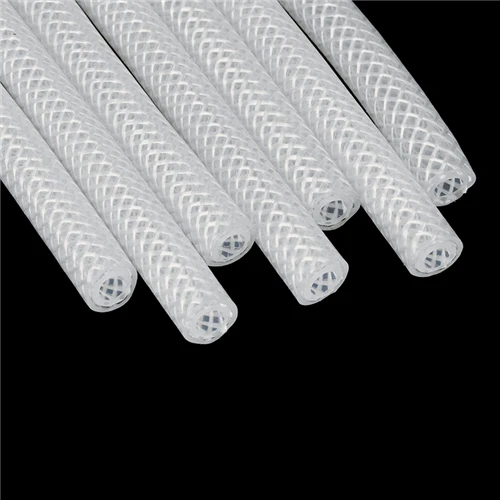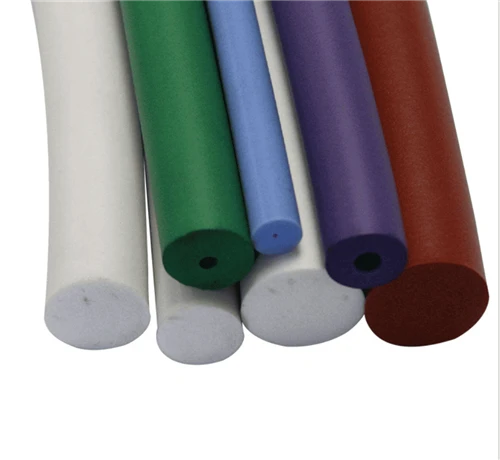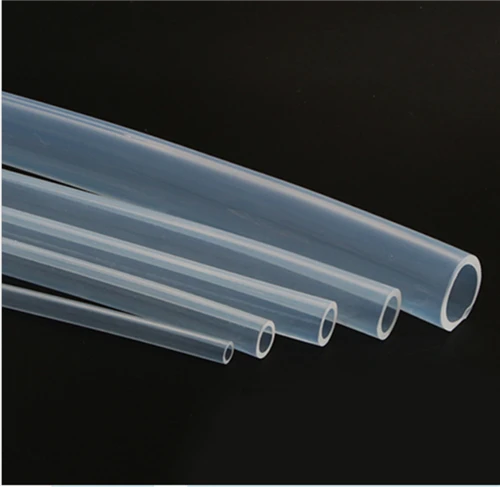
Molded silicone can be used for extrusion processing under specific process conditions, but the compatibility of its material properties with extrusion equipment and parameters must be considered to ensure product quality and production efficiency.
When discussing whether compression molding silicone is suitable for extrusion processes, it's essential to first clarify the fundamental characteristics and requirements of these two processes. Compression molding typically involves placing silicone material in a mold and shaping it through heating and pressure, making it suitable for manufacturing complex shapes and high-precision products. Extrusion, on the other hand, involves continuously extruding molten or semi-molten material through the orifice of a mold to form a continuous body or profile of the desired shape.
I. Material Properties of Molded Silicone
Compression molding silicone has been widely used in many fields due to its excellent heat resistance, cold resistance, aging resistance, good electrical insulation properties, and chemical stability. However, from the perspective of extrusion processes, the flowability, viscosity, and post-extrusion shape stability of silicone are key considerations. The initial morphology and processing properties of compression molding silicone determine its performance during the extrusion process.
II. Material Requirements for Extrusion Processes
Extrusion processes require materials with good flowability and plasticity to ensure smooth passage through the die and maintain a uniform cross-sectional shape during extrusion. Furthermore, parameters such as extrusion temperature and pressure must be matched with the extrusion equipment to ensure production stability and product quality.
III. Application of Molding Silicone in Extrusion Processes
Although compression molding silicone is not designed specifically for extrusion processes, it can still be used under certain conditions. This typically requires adjusting the silicone formulation to improve its flowability and processing properties. Simultaneously, the selection of extrusion equipment and the optimization of process parameters are also crucial. For example, using appropriate extrusion temperature and pressure, along with suitable die design, can ensure that compression molding silicone maintains stable shape and properties during extrusion.
IV. The Importance of Material Selection and Process Optimization
When selecting silicone molding compound for extrusion processing, it is essential to fully consider all material performance indicators and process requirements. Through appropriate material selection and process optimization, the potential of silicone molding compound can be maximized, achieving efficient and high-quality extrusion processing. Simultaneously, this requires manufacturers to possess extensive experience and advanced technical support to ensure smooth production and the final quality of the product.