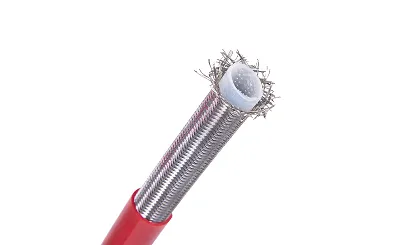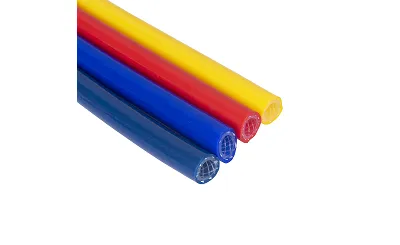
Silicone rubber finds application in a vast array of fields. Silicone tubing, in particular, boasts numerous advantages-including flexibility, high-temperature resistance, chemical inertness, and being non-toxic and odorless-making it widely utilized across diverse industries and sectors. Given its non-toxic nature, its non-adherence to other materials, and its ability to withstand repeated sterilization via boiling, silicone rubber is extensively employed within the medical and food industries.
Medical Industry
Silicone rubber is used to manufacture a wide variety of medical devices and instruments, such as IV tubing, blood transfusion lines, catheters, gastric tubes, and respiratory tubing. Silicone tubing exhibits excellent biocompatibility, causes no irritation to human tissue, and can withstand both high-temperature and chemical sterilization processes, thereby meeting the rigorous hygiene standards of the medical industry. Additionally, silicone rubber is used to produce ancillary medical products, such as stoppers for pharmaceutical bottles.
Food and Beverage Industry
Serving as food-grade conduits, silicone tubes are utilized for material transport during various stages of food processing, brewing, and beverage production-facilitating the conveyance of substances such as syrups, fruit juices, milk, and beer. Being non-toxic and odorless, silicone tubing does not compromise the quality or safety of food and beverages; furthermore, it is capable of withstanding the standard cleaning and sterilization protocols commonly employed within the food industry.
Electronics and Electrical Industry
Silicone tubing is employed for the insulation and protection of wires and cables, as well as for internal connections and heat dissipation within electronic devices. Possessing excellent electrical insulation properties and high-temperature resistance, silicone tubing effectively safeguards electronic components, preventing electrical leakage and short circuits. Moreover, it maintains stable performance in high-temperature environments, thereby ensuring the reliable operation of electronic equipment. Silicone rubber also serves as a coating or sealant for various electronic tubes and electrical components, offering protection against moisture, dust, and vibration.
Industrial Sector
In industrial production settings-including the chemical, petroleum, and pharmaceutical sectors-silicone tubing is utilized to convey a diverse range of chemical media, corrosive liquids, and gases. Additionally, it finds application in the sealing and vibration-damping mechanisms of various industrial machines and equipment. The core performance attributes of industrial-grade silicone tubing include exceptional thermal resistance-enabling it to withstand an extremely wide temperature range-as well as outstanding corrosion resistance and chemical stability, allowing it to withstand the corrosive effects of numerous chemical substances.