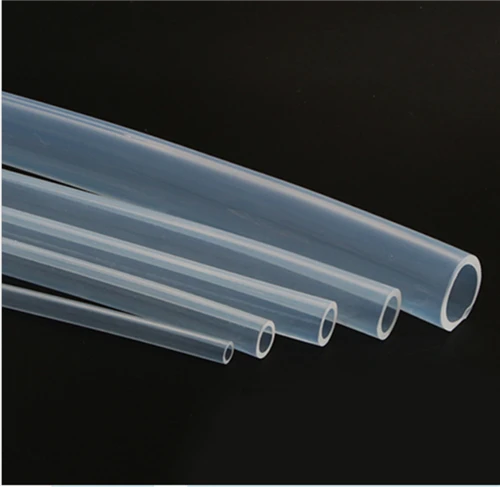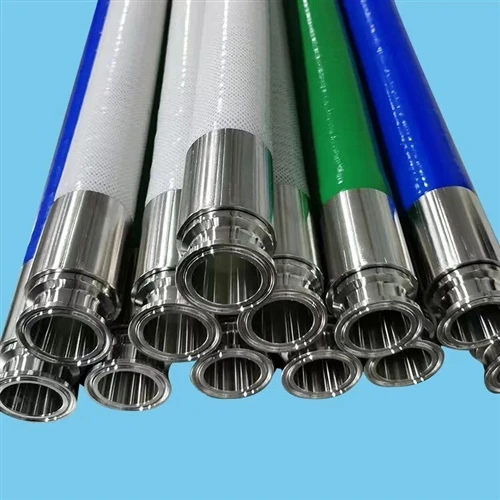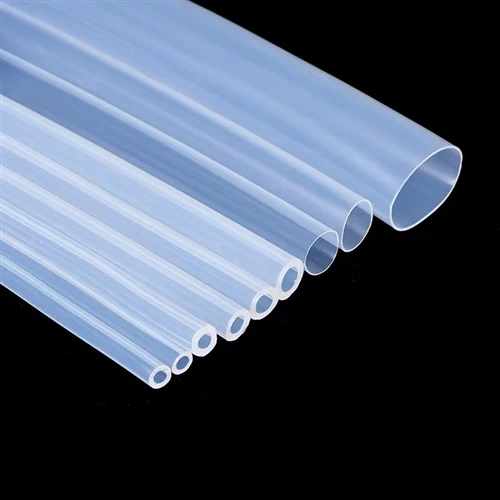
Silicone tubing is a specific type of rubber hose, characterized by its resistance to both oil and heat. Due to the wide variety of rubber compounds available, rubber hoses find application in numerous fields. Common materials used for rubber hoses include EPDM, CR, VMQ, FKM, IIR, ACM, and AEM. Structurally, they come in various configurations-single-layer, double-layer, or multi-layer-and may be either reinforced or non-reinforced.
The most significant feature of silicone tubing is its exceptional thermal stability, capable of withstanding temperature fluctuations ranging from -60°C to 250°C; however, it comes at a relatively high cost. PVC, conversely, is commonly used for standard water hoses; while inexpensive, it is sensitive to temperature variations and may emit a distinct odor, making it suitable primarily for general-purpose work environments where there are no stringent requirements for the hose itself. In terms of pressure resistance, silicone tubing performs quite well, whereas the performance of PVC tubing is generally moderate and depends heavily on its wall thickness and inner diameter. These distinctions constitute the fundamental differences between silicone tubing and PVC tubing.