Raw Material Selection and Preparation
Production begins with the selection of silicone raw materials. Depending on the intended application of the components, silicone base gums with varying performance parameters are selected. Subsequently, necessary additives are incorporated and blended into the mixture to adjust its color, hardness, or other physical properties.
Molding Process
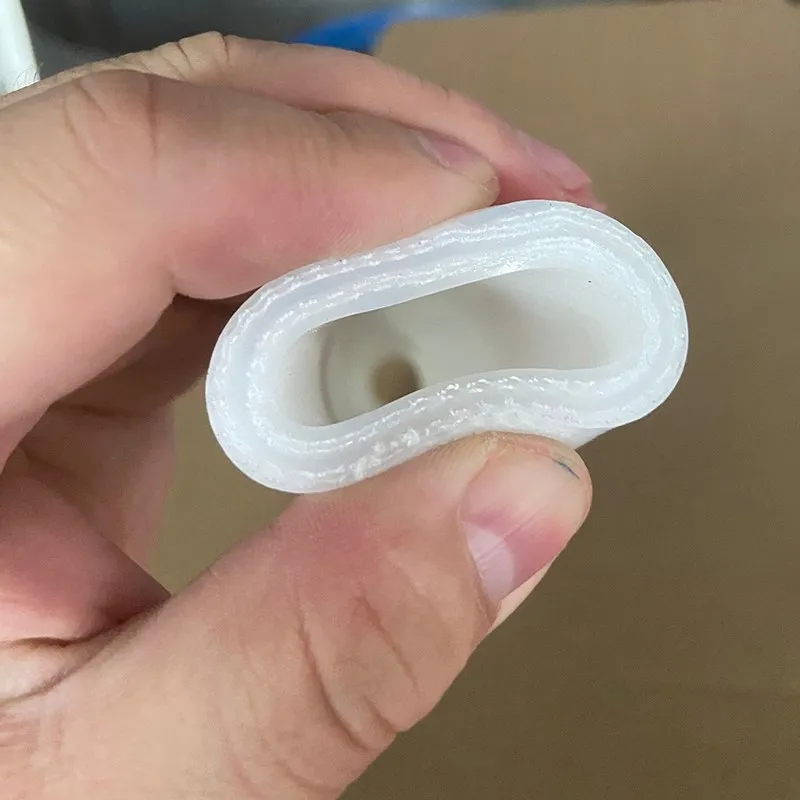
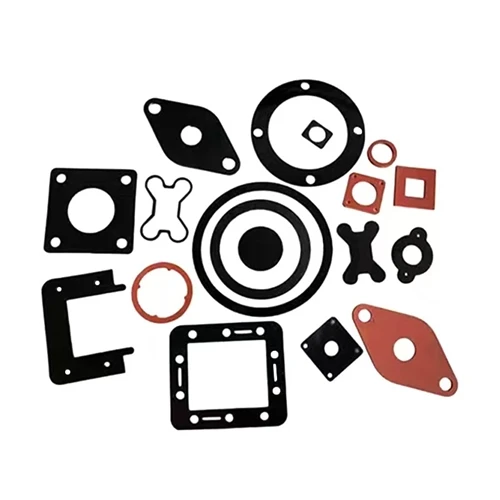
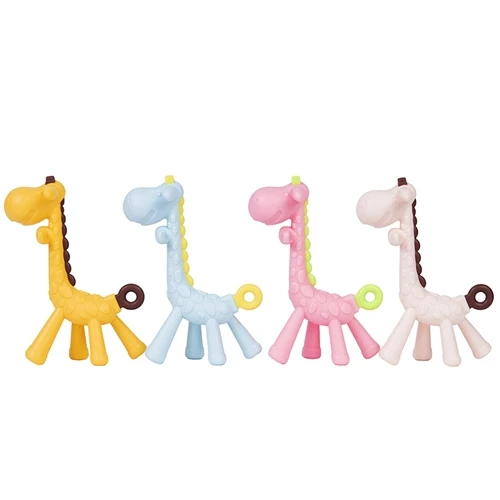
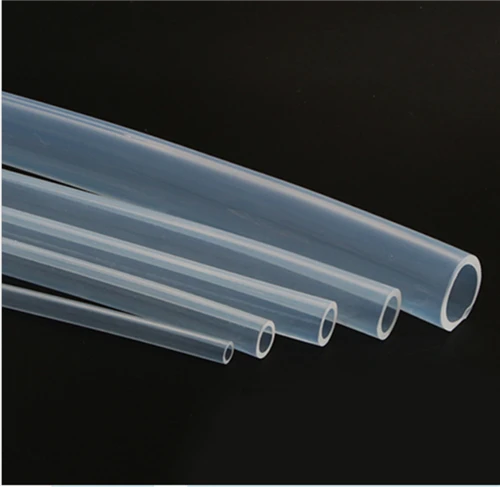
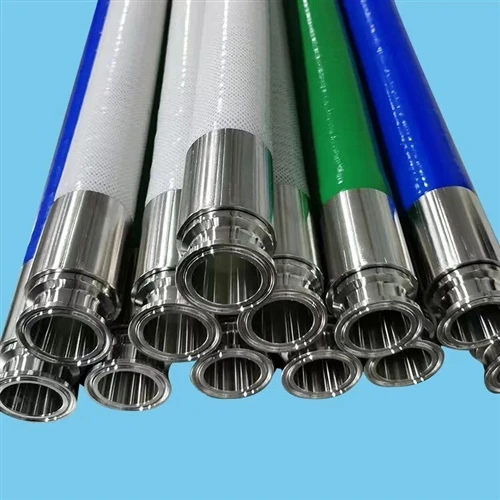
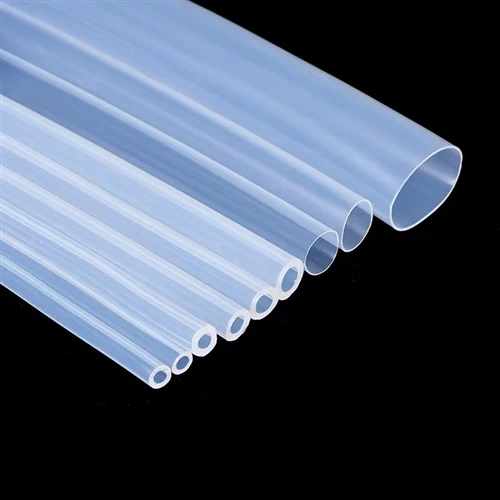
This is the critical step that gives the components their specific shape. Common molding methods include compression molding, injection molding, and extrusion molding. Compression molding involves placing a weighed amount of the silicone mixture into a metal mold, where it is cured and shaped through the application of heat and pressure; this method is suitable for components with relatively fixed shapes. Injection molding involves injecting the silicone mixture into a mold cavity, making it ideal for components with complex structures or those requiring high-volume production. Extrusion molding involves continuously forcing the silicone mixture through a die with a specific cross-sectional profile; this method is primarily used to produce continuous profiles such as tubes and strips.
Vulcanization Treatment
After molding, the silicone components undergo a vulcanization process. This is a chemical reaction driven by heat, during which cross-links are formed between the silicone molecular chains. The objective is to transform the material from a plastic state into an elastic state, thereby achieving stable final performance characteristics. Both the temperature and duration of the vulcanization process require precise control.
Post-Processing
Following vulcanization, the components may require trimming to remove excess flash or burrs generated during the molding process. Depending on specific requirements, surface treatments-such as spray coating or logo printing-may also be applied. Additionally, certain precision components may undergo dimensional inspection.
Quality Inspection
Upon completion of production, the components undergo either sampling inspections or full inspections. Typical inspection criteria include dimensional accuracy, visual appearance (checking for defects), hardness compliance, and necessary performance tests-such as heat resistance and tensile strength tests-to ensure that the components meet all specified requirements.