
Hey there! As a supplier of silicone sealing strips, I've seen my fair share of issues with these little guys cracking. It's a common problem that can be a real headache for both us suppliers and our customers. So, I thought I'd share some tips on how to prevent silicone sealing strips from cracking.
Understanding the Causes of Cracking
Before we dive into the prevention methods, it's important to understand what causes silicone sealing strips to crack in the first place. There are several factors that can contribute to this issue:
- Temperature Extremes: Silicone is a great material, but it has its limits. Extreme temperatures, whether it's scorching heat or freezing cold, can cause the silicone to expand and contract. Over time, this repeated expansion and contraction can lead to cracks. For example, if you're using High-temperature Oven Sealing Strip in an oven that gets really hot, the constant high temperatures can take a toll on the strip.
- Chemical Exposure: Silicone can be sensitive to certain chemicals. Exposure to harsh chemicals like solvents, acids, or alkalis can break down the silicone and cause it to crack. If your sealing strip is in an environment where it comes into contact with these chemicals regularly, it's at a higher risk of cracking.
- Mechanical Stress: Physical stress, such as bending, stretching, or compression, can also cause cracks in silicone sealing strips. For instance, if you're using Door Window Silicone Rubber Seal Strip and the door or window is constantly opening and closing, the strip may be subjected to repeated mechanical stress.
- UV Exposure: Ultraviolet (UV) rays from the sun can degrade silicone over time. If your sealing strip is exposed to sunlight for long periods, the UV rays can cause the silicone to become brittle and crack.
Prevention Methods
Now that we know what causes cracking, let's talk about how to prevent it. Here are some practical tips:
1. Choose the Right Silicone Material
Not all silicone is created equal. Different types of silicone have different properties, and choosing the right one for your application is crucial. For high-temperature applications, look for a silicone material that is specifically designed to withstand heat. Our High-temperature Oven Sealing Strip is made from a high-quality silicone that can handle extreme temperatures without cracking.
If your sealing strip will be exposed to chemicals, make sure to choose a silicone material that is resistant to those chemicals. Some silicone materials are formulated to be chemical-resistant, which can significantly reduce the risk of cracking.
2. Proper Installation
Proper installation is key to preventing cracking. Make sure the surface where the sealing strip will be installed is clean, dry, and free of any debris. Any dirt or moisture on the surface can prevent the strip from adhering properly, which can lead to stress and cracking.
When installing the strip, avoid stretching or bending it too much. Follow the manufacturer's instructions carefully to ensure a proper fit. If you're using Door Window Silicone Rubber Seal Strip, make sure it is installed evenly around the door or window to distribute the stress evenly.
3. Temperature Management
As we mentioned earlier, temperature extremes can cause cracking. To prevent this, try to keep the environment where the sealing strip is located within a reasonable temperature range. If possible, insulate the area to reduce the impact of temperature changes.
For high-temperature applications, consider using a heat shield or a cooling system to protect the sealing strip. This can help extend its lifespan and prevent cracking.
4. Chemical Protection
If your sealing strip is exposed to chemicals, take steps to protect it. You can use a chemical-resistant coating or a barrier film to prevent the chemicals from coming into direct contact with the silicone. Make sure to choose a coating or film that is compatible with the silicone material.
Regularly clean the sealing strip to remove any chemical residues. Use a mild detergent and water, and avoid using harsh chemicals that can damage the silicone.
5. UV Protection
To protect your sealing strip from UV exposure, you can use a UV-resistant coating or a cover. This can help prevent the silicone from becoming brittle and cracking. If the strip is installed outdoors, consider using a shade or an awning to reduce its exposure to sunlight.
6. Regular Inspection and Maintenance
Regularly inspect your sealing strips for any signs of damage or wear. Look for cracks, tears, or other signs of deterioration. If you notice any issues, replace the strip as soon as possible to prevent further damage.
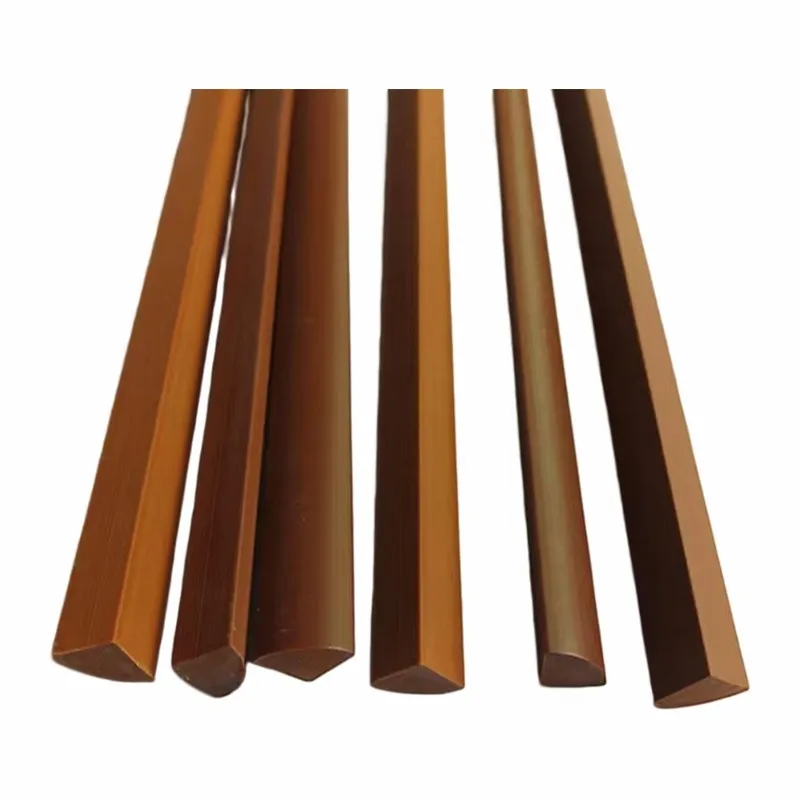

Clean the sealing strips regularly to remove any dirt, dust, or debris. This can help keep the strip in good condition and prevent cracking.
Our Product Range
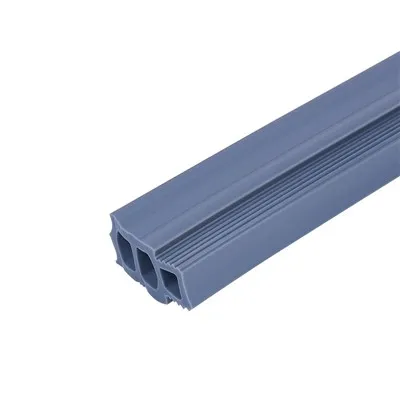
At our company, we offer a wide range of silicone sealing strips to meet your needs. Whether you need a High-temperature Oven Sealing Strip for your oven, a Door Window Silicone Rubber Seal Strip for your doors and windows, or a Silicone Sponge Strips for a more flexible application, we've got you covered.
We also offer Custom Silicone Irregular-shaped Light Strips and Silicone Solid Sealing Strip to meet your specific requirements. Our products are made from high-quality silicone materials and are designed to be durable and long-lasting.
Contact Us for Procurement
If you're interested in purchasing our silicone sealing strips or have any questions about preventing cracking, don't hesitate to contact us. We're here to help you find the right solution for your needs. Whether you're a small business or a large corporation, we can provide you with the high-quality products and excellent customer service you deserve.
References
- "Silicone Rubber: Properties and Applications" - A technical guide on silicone rubber properties and common uses.
- "Sealing Technology Handbook" - A comprehensive resource on sealing materials and techniques.