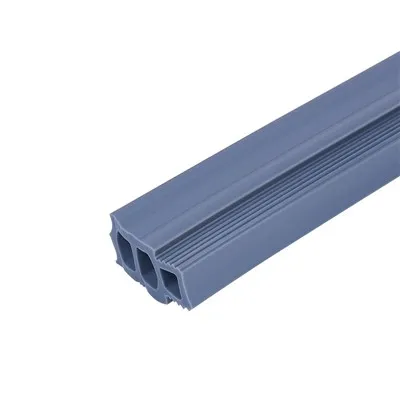

Silicone tubing is a versatile product widely used in various industries due to its unique properties. One of the key questions that often arises is whether silicone tubing has good electrical insulation properties. As a silicone tubing supplier, I am well - versed in the characteristics of silicone tubing and can provide a comprehensive answer to this question.
Understanding Electrical Insulation
Electrical insulation refers to the ability of a material to resist the flow of electric current. Good electrical insulators have high resistivity, which means they impede the movement of electrons. This property is crucial in applications where electrical safety is a concern, such as in electrical wiring, electronic devices, and power generation systems.
Properties of Silicone Tubing that Contribute to Electrical Insulation
Silicone is a polymer made up of silicon, oxygen, carbon, and hydrogen. This chemical composition gives silicone tubing several properties that make it a good electrical insulator:
-
High Dielectric Strength: Dielectric strength is the maximum electric field that a material can withstand without breaking down and allowing current to flow. Silicone tubing typically has a high dielectric strength, ranging from 15 - 30 kV/mm. This means that it can effectively prevent electrical breakdown even under high - voltage conditions.
-
Low Electrical Conductivity: Silicone has a very low electrical conductivity. The presence of non - conductive silicon - oxygen bonds in its molecular structure restricts the movement of electrons, making it difficult for electric current to pass through.
-
Good Thermal Stability: Electrical insulation can be affected by temperature. Silicone tubing has excellent thermal stability, with a wide operating temperature range from - 60°C to 200°C or even higher in some cases. This means that its electrical insulation properties remain relatively stable over a broad temperature spectrum, which is important in applications where temperature variations are common.
-
Resistance to Environmental Factors: Silicone tubing is resistant to moisture, ozone, and UV radiation. Moisture can reduce the electrical insulation properties of many materials, but silicone's hydrophobic nature helps it maintain its insulating performance even in humid environments. Ozone and UV radiation can cause degradation in some polymers, but silicone tubing is highly resistant to these factors, ensuring long - term electrical insulation.
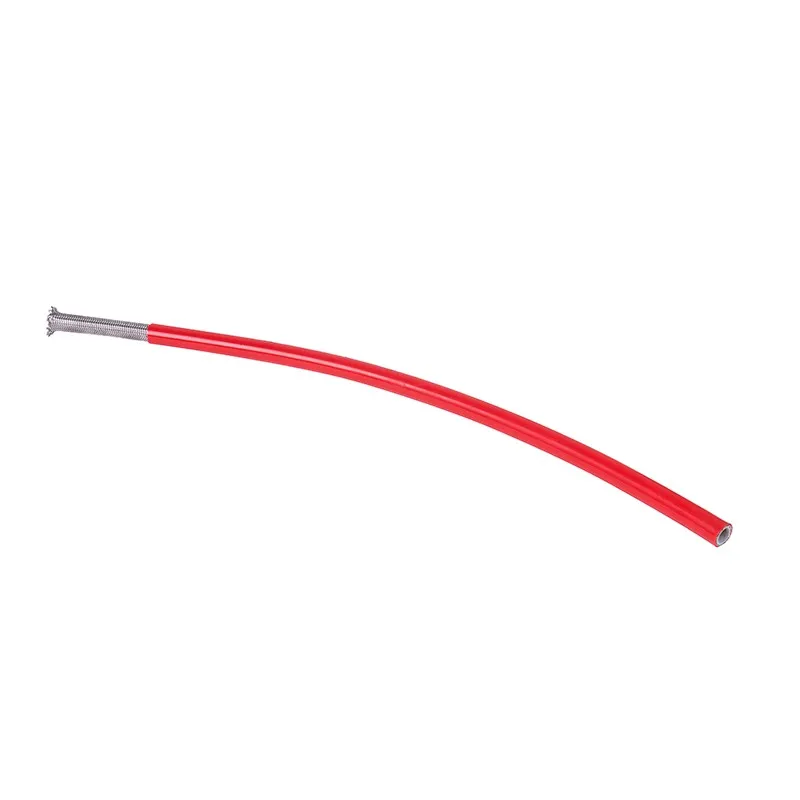

Applications of Silicone Tubing in Electrical Insulation
Due to its good electrical insulation properties, silicone tubing is used in a variety of electrical and electronic applications:
- Electrical Wiring: Silicone tubing can be used as a protective sheath for electrical wires. It provides insulation and protects the wires from mechanical damage, moisture, and other environmental factors. For example, in high - temperature environments such as industrial ovens or automotive engine compartments, silicone tubing can ensure the safe operation of electrical wiring.
- Electronic Devices: In electronic devices, silicone tubing can be used to insulate components and prevent short - circuits. It can be used to cover connectors, terminals, and other electrical parts. The flexibility of silicone tubing allows it to be easily installed in tight spaces, making it suitable for use in small electronic devices.
- Power Generation and Distribution: In power generation plants and electrical substations, silicone tubing is used for insulation in high - voltage applications. It can be used to insulate busbars, transformers, and other electrical equipment, ensuring the safe and efficient distribution of electricity.
Our Silicone Tubing Products for Electrical Insulation
As a silicone tubing supplier, we offer a wide range of products that are suitable for electrical insulation applications.
- Transparent Steel Wire Silicone Tube: This tube combines the electrical insulation properties of silicone with the strength of steel wire reinforcement. The transparent design allows for easy inspection of the contents inside the tube, making it suitable for applications where visual monitoring is required.
- Silicone - coated Stainless Steel Braided Hose: The stainless - steel braiding provides additional mechanical protection, while the silicone coating offers excellent electrical insulation. This hose is ideal for applications where both insulation and durability are needed.
- Ultra - thin Silicone Tube: With its thin wall, this tube is suitable for applications where space is limited. Despite its thinness, it still maintains good electrical insulation properties, making it a great choice for small - scale electronic devices.
- Silicone Vacuum Hose: This hose is designed for use in vacuum systems. It provides electrical insulation and can withstand the pressure differences in vacuum applications, ensuring the safe operation of the system.
- Large Diameter Silicone Tube: For applications that require the passage of large volumes of fluid or gas, our large - diameter silicone tube offers both electrical insulation and high - flow capacity.
Factors that May Affect the Electrical Insulation of Silicone Tubing
While silicone tubing generally has good electrical insulation properties, there are some factors that can affect its performance:
- Contamination: If the silicone tubing is contaminated with conductive substances such as metal particles or moisture - soluble salts, its electrical insulation properties can be compromised. It is important to keep the tubing clean during installation and use.
- Physical Damage: Cuts, abrasions, or punctures in the silicone tubing can create paths for electric current to flow, reducing its insulation effectiveness. Care should be taken to avoid physical damage during handling and installation.
- Aging: Over time, silicone tubing may undergo aging due to factors such as heat, UV radiation, and chemical exposure. This can lead to a gradual decrease in its electrical insulation properties. Regular inspection and replacement of the tubing may be necessary to ensure continued safe operation.
Conclusion
In conclusion, silicone tubing has good electrical insulation properties due to its high dielectric strength, low electrical conductivity, thermal stability, and resistance to environmental factors. It is widely used in electrical and electronic applications to provide insulation and protect electrical components. As a silicone tubing supplier, we offer a variety of products that are suitable for different electrical insulation needs.
If you are in the market for high - quality silicone tubing for electrical insulation applications, we invite you to contact us for a detailed discussion. Our team of experts can help you select the right product based on your specific requirements. We are committed to providing you with the best solutions and ensuring your satisfaction.
References
- "Silicone Rubber: Properties and Applications" by John Doe, published in the Journal of Polymer Science.
- "Electrical Insulation Materials: Principles and Applications" by Jane Smith, published by ABC Publishing.