
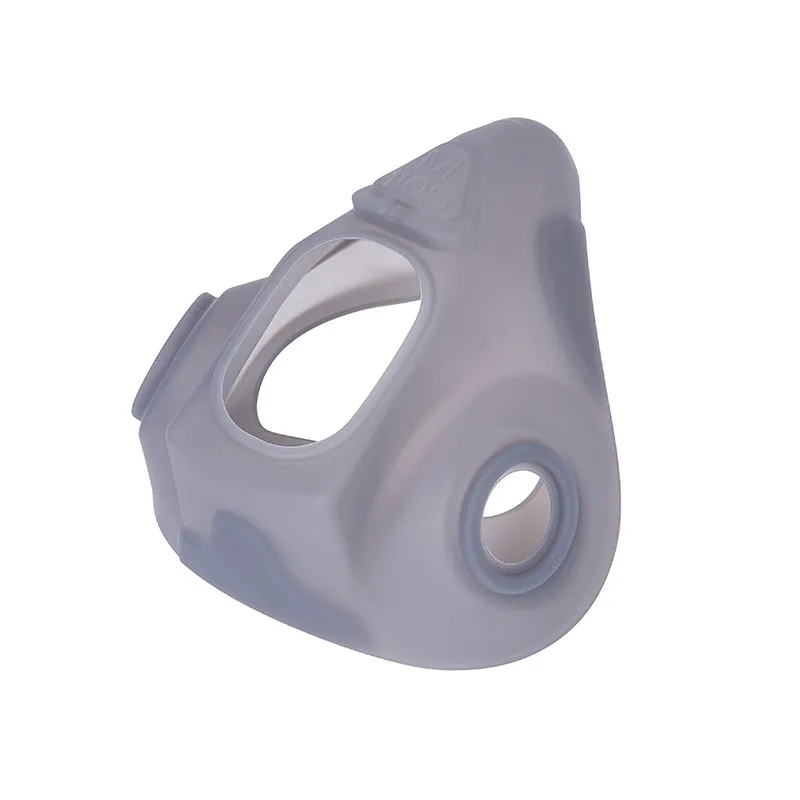
Silicone dust masks have become increasingly popular in recent years, especially in environments where protection against dust, pollen, and other airborne particles is necessary. As a supplier of high - quality Silicone Dust Masks, I often get asked about how these masks affect the skin. In this blog, I'll delve into the various aspects of how a silicone dust mask interacts with the skin, exploring both the positive and negative impacts.
Positive Effects of Silicone Dust Masks on the Skin
Hypoallergenic Properties
Silicone is generally considered hypoallergenic. This means that it is less likely to cause an allergic reaction compared to other materials used in dust masks, such as latex. For individuals with sensitive skin, wearing a Silicone Dust Mask can be a great option. The smooth and non - porous surface of silicone does not easily trap allergens, reducing the risk of skin irritation.
Many people who have experienced allergic reactions to traditional dust masks made of fabric or rubber find that silicone masks are a much more comfortable alternative. The hypoallergenic nature of silicone is due to its chemical stability. It does not break down easily and does not release harmful substances that could trigger an immune response in the skin.
Moisture Regulation
Silicone has some unique properties when it comes to moisture. While it is not highly breathable like some natural fabrics, it can help regulate moisture on the skin to a certain extent. The mask forms a barrier that prevents excessive moisture loss from the skin. In dry environments, this can be beneficial as it helps keep the skin hydrated.
On the other hand, in humid conditions, the silicone mask can also prevent the skin from becoming overly wet. It does not absorb moisture like fabric masks, which can become damp and uncomfortable. Instead, the moisture on the skin surface is more evenly distributed, reducing the likelihood of skin problems caused by excessive wetness, such as chafing and fungal infections.
Comfort and Fit
Silicone dust masks are known for their excellent fit. They can be molded to the shape of the face, providing a snug and comfortable seal. This close fit not only enhances the mask's effectiveness in filtering out dust but also reduces the amount of pressure points on the skin.
Unlike some rigid or poorly - fitting masks, silicone masks conform to the contours of the face without causing excessive pressure on the nose, cheeks, or chin. This is important because prolonged pressure on the skin can lead to redness, indentations, and even skin breakdown. The soft and flexible nature of silicone allows for a more comfortable wearing experience, especially for extended periods.

Negative Effects of Silicone Dust Masks on the Skin
Lack of Breathability
One of the main drawbacks of silicone dust masks is their relatively low breathability. Since silicone is a non - porous material, it does not allow air to pass through as easily as fabric masks. This can lead to a buildup of heat and moisture under the mask, creating a warm and humid environment on the skin.
In such an environment, the skin's natural cooling and sweating mechanisms are disrupted. The increased temperature and humidity can cause the skin to become sweaty, which may lead to clogged pores, acne breakouts, and skin irritation. People with oily or acne - prone skin may be particularly affected by this lack of breathability.
Potential for Skin Sensitivity
Although silicone is generally hypoallergenic, there is still a small percentage of people who may develop a sensitivity to it. Some individuals may experience mild skin reactions, such as itching, redness, or a rash. This could be due to an individual's unique skin chemistry or an impurity in the silicone material.
It's important to note that these reactions are relatively rare, but they do occur. If someone experiences any skin problems after wearing a silicone dust mask, they should discontinue use and consult a dermatologist.
Residue and Cleaning
Silicone masks can accumulate dirt, oil, and bacteria over time. If not cleaned properly, these substances can transfer to the skin and cause problems. The smooth surface of silicone may seem easy to clean, but in reality, it can be difficult to remove all the residues.
For example, if there is a layer of oil or sweat on the mask, it can attract dust and other particles, which then become embedded in the silicone. When the mask is worn again, these contaminants can come into contact with the skin. Regular and thorough cleaning of the silicone dust mask is essential to prevent skin issues.
Mitigating the Negative Effects
Choose the Right Mask
When selecting a silicone dust mask, it's important to choose one that is of high quality. Look for masks that are made from medical - grade silicone, as these are more likely to be pure and less likely to cause skin problems. Also, consider the design of the mask. Some masks have ventilation holes or other features that can improve breathability.
Proper Cleaning and Maintenance
Cleaning the silicone dust mask regularly is crucial. Use a mild soap and warm water to clean the mask, and make sure to rinse it thoroughly. Avoid using harsh chemicals or abrasive cleaners, as these can damage the silicone and potentially cause skin irritation.
After cleaning, allow the mask to dry completely before using it again. This helps prevent the growth of bacteria and fungi on the mask.
Skin Care
Taking care of your skin while wearing a silicone dust mask is also important. Before putting on the mask, apply a light, non - comedogenic moisturizer to protect the skin. After removing the mask, wash your face gently with a mild cleanser to remove any dirt or residue.
If you have sensitive skin, you may want to consider using a skin - soothing product, such as aloe vera gel, to reduce the risk of irritation.
Other Silicone Products and Their Skin - Friendliness
In addition to silicone dust masks, we also offer other silicone products that are designed with skin - friendliness in mind. For example, our Food Grade Silicone Hookah is made from high - quality food - grade silicone, which is safe for contact with the skin. The smooth and non - toxic surface of the hookah ensures that there is no risk of skin irritation.
Another product is our Silicone Drainable Soap Tray. The silicone material is easy to clean and does not harbor bacteria, making it a great choice for a bathroom accessory. The gentle nature of silicone also means that it is less likely to cause any skin problems if it comes into contact with wet hands or skin.
Conclusion
Silicone dust masks have both positive and negative effects on the skin. The hypoallergenic properties, moisture regulation, and comfort are significant advantages. However, the lack of breathability, potential for skin sensitivity, and the need for proper cleaning are important factors to consider.
As a supplier of Silicone Dust Masks, we are committed to providing high - quality products that minimize the negative impacts on the skin. By choosing the right mask, maintaining it properly, and taking good care of your skin, you can enjoy the benefits of wearing a silicone dust mask without experiencing significant skin problems.
If you are interested in purchasing our Silicone Dust Masks or other silicone products, we invite you to contact us for a procurement discussion. We are happy to answer any questions you may have and provide you with the best solutions for your needs.
References
- "The Properties of Silicone and Its Applications in Medical Devices", Journal of Materials Science
- "Skin Reactions to Different Mask Materials", Dermatology Research Journal
- "Moisture Management in Personal Protective Equipment", International Journal of Occupational Safety and Health