
Silicone kitchen utensils have become a staple in modern kitchens due to their flexibility, durability, and heat resistance. As a supplier of Silicone Kitchen Utensils, I often receive questions from customers about how these utensils react to temperature changes. In this blog post, I will delve into the science behind the expansion and contraction of silicone kitchen utensils and provide insights into their performance under different temperature conditions.
Understanding Silicone and Its Properties
Silicone is a synthetic polymer made up of silicon, oxygen, carbon, and hydrogen. It is known for its unique properties, including high heat resistance, flexibility, and chemical stability. These properties make silicone an ideal material for kitchen utensils, as it can withstand the rigors of cooking and baking without deforming or releasing harmful chemicals.
One of the key characteristics of silicone is its coefficient of thermal expansion (CTE). The CTE measures how much a material expands or contracts when exposed to temperature changes. A higher CTE means that the material will expand or contract more significantly with temperature variations. Silicone has a relatively high CTE compared to other materials, such as metal or glass. This means that silicone kitchen utensils are more likely to expand or contract when exposed to temperature changes.
Expansion and Contraction of Silicone Kitchen Utensils
When silicone kitchen utensils are exposed to heat, they will expand. The degree of expansion depends on several factors, including the type of silicone, the temperature, and the duration of exposure. Generally, silicone can withstand temperatures up to 450°F (232°C) without significant deformation. However, at higher temperatures, the expansion can become more pronounced.
For example, a High Heat Resistant Silicone Spatula may expand slightly when used to stir a hot pan on the stovetop. This expansion is usually minimal and does not affect the functionality of the spatula. However, if the spatula is left in a very hot oven for an extended period, it may expand more significantly and potentially lose its shape.
On the other hand, when silicone kitchen utensils are exposed to cold temperatures, they will contract. This contraction is also influenced by the type of silicone, the temperature, and the duration of exposure. Silicone can withstand cold temperatures down to -40°F (-40°C) without becoming brittle or cracking. However, at extremely low temperatures, the contraction can make the utensils more rigid and less flexible.
For instance, a Silicone Baking Tools may contract slightly when taken out of the freezer. This contraction is usually not noticeable and does not affect the performance of the tools. However, if the tools are used immediately after being removed from the freezer, they may be more difficult to bend or shape.


Impact on Performance and Durability
The expansion and contraction of silicone kitchen utensils can have both positive and negative impacts on their performance and durability. On the positive side, the flexibility of silicone allows it to adapt to temperature changes without cracking or breaking. This makes silicone kitchen utensils more durable and long-lasting compared to other materials.
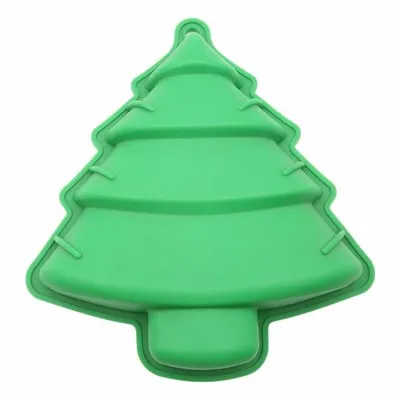
For example, a silicone spatula can be used to scrape the bottom of a hot pan without scratching the surface. The expansion of the spatula helps it to conform to the shape of the pan, making it easier to clean. Similarly, a silicone baking mold can expand slightly in the oven, allowing the baked goods to rise and release easily.
On the negative side, excessive expansion or contraction can cause the utensils to lose their shape or become less effective. If a silicone spatula expands too much, it may become too large to fit into a small pan or container. If a silicone baking mold contracts too much, it may become difficult to remove the baked goods.
To minimize the impact of temperature changes on silicone kitchen utensils, it is important to follow the manufacturer's instructions and use the utensils within their recommended temperature range. Avoid exposing the utensils to extreme temperatures for extended periods, and allow them to cool or warm up gradually before using them.
Conclusion
In conclusion, silicone kitchen utensils do expand and contract with temperature changes due to their relatively high coefficient of thermal expansion. However, the degree of expansion and contraction is usually minimal and does not affect the functionality of the utensils. The flexibility and durability of silicone make it an ideal material for kitchen utensils, as it can withstand the rigors of cooking and baking without deforming or releasing harmful chemicals.
As a supplier of Silicone Kitchen Utensils, I am committed to providing high-quality products that meet the needs of our customers. If you have any questions or concerns about our silicone kitchen utensils, please do not hesitate to contact us. We would be happy to assist you with your procurement needs and provide you with more information about our products.
References
- "Silicone: Properties and Applications." Polymer Science Learning Center.
- "Thermal Expansion of Materials." Engineering ToolBox.