
Hey there! As a supplier of silicone toys, I often get asked a bunch of questions about how to use these awesome products. One question that pops up quite a bit is, "Can silicone toys be used in a water table?" Well, let's dive right into it and find out.
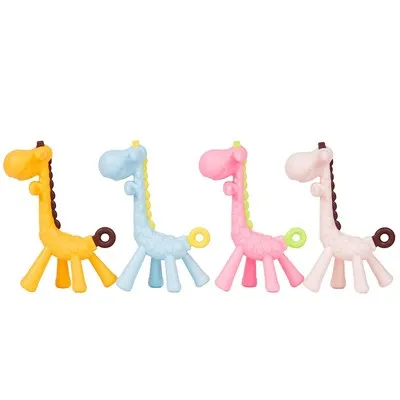
First off, what are silicone toys? Silicone is a synthetic material that's known for being super flexible, durable, and safe. It's used to make all sorts of toys, from Silicone Toys For Infants to Silicone Beach Toy Set and even Pet Silicone Toys. It's non-toxic, hypoallergenic, and can withstand a lot of wear and tear.
Now, back to the water table. A water table is a great way for kids to have fun and learn about water, science, and motor skills. It's basically a shallow container filled with water where kids can play with toys, pour water, and create all sorts of fun scenarios. So, can silicone toys be used in it? The short answer is yes, and here's why.
1. Water Resistance
Silicone is naturally water-resistant. It doesn't absorb water like some other materials, so it won't get soggy or moldy when left in the water table. This means that your silicone toys will stay in great shape, even after hours of play in the water. Whether it's a silicone duck or a set of silicone stacking cups, they'll be just fine in the water.
2. Safety
As I mentioned earlier, silicone is non-toxic and hypoallergenic. This is especially important when it comes to toys that will be used in water, as kids might put them in their mouths. You don't have to worry about any harmful chemicals leaching into the water or causing any allergic reactions. Our silicone toys are made with high-quality materials that meet all the safety standards, so you can rest assured that your little ones are safe.
3. Durability
Silicone toys are tough. They can handle being tossed around, squeezed, and submerged in water without breaking or losing their shape. This makes them perfect for use in a water table, where kids are likely to be a bit rough with their toys. Whether it's a silicone ball or a set of silicone animals, they'll last through many play sessions.
4. Easy to Clean
Cleaning silicone toys is a breeze. You can simply rinse them off with water and mild soap, and they'll be good as new. This is important when using toys in a water table, as they can get dirty from the water and any other materials that might be in the table. With silicone toys, you don't have to worry about hard-to-clean crevices or stains.
5. Versatility
Silicone toys come in all shapes and sizes, which makes them great for use in a water table. You can find silicone toys that float, sink, or even change color in the water. This adds an extra element of fun and learning to the water table experience. For example, you can use silicone toys to teach kids about buoyancy or the properties of different materials.
Potential Concerns
Of course, there are a few things to keep in mind when using silicone toys in a water table.


1. Temperature
While silicone is generally heat-resistant, extreme temperatures can affect it. If the water in the table is too hot or too cold, it could potentially damage the toys. So, make sure the water temperature is within a reasonable range.
2. Storage
After using the silicone toys in the water table, it's important to dry them thoroughly before storing them. This will prevent any mold or mildew from forming. You can simply leave them out to air dry or use a towel to dry them off.
3. Compatibility with Other Materials
If you're using other materials in the water table, such as sand or soap, make sure they're compatible with silicone. Some materials might react with the silicone and cause damage or discoloration.
Tips for Using Silicone Toys in a Water Table
- Choose the Right Toys: Look for silicone toys that are specifically designed for water play. These toys are usually made with thicker silicone and have features that make them more suitable for use in water.
- Supervise Kids: As with any water play, it's important to supervise kids when they're using the water table. This will ensure their safety and prevent any accidents.
- Change the Water Regularly: To keep the water clean and prevent the growth of bacteria, change the water in the table regularly.
- Mix and Match: Don't be afraid to mix silicone toys with other types of toys in the water table. This will add more variety and fun to the play experience.
Conclusion
So, there you have it. Silicone toys are a great option for use in a water table. They're water-resistant, safe, durable, easy to clean, and versatile. With a few precautions, you can enjoy hours of fun and learning with your kids using silicone toys in the water table.
If you're interested in purchasing high-quality silicone toys for your water table or any other play area, we'd love to hear from you. We offer a wide range of silicone toys that are perfect for all ages and interests. Just reach out to us to start a discussion about your needs and how we can help you find the right toys for your situation.
References
- Silicone Industry Association. (2023). Properties of Silicone.
- American Academy of Pediatrics. (2023). Safety Guidelines for Children's Toys.