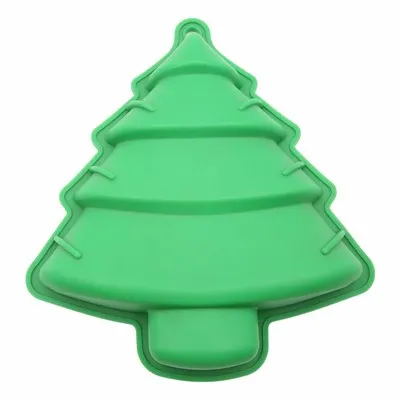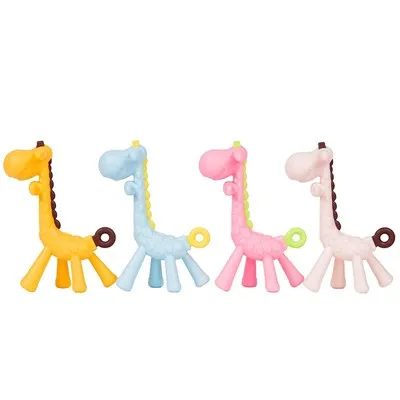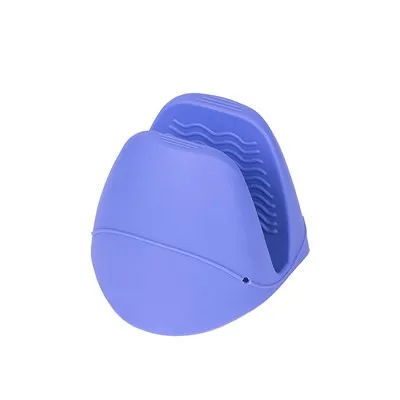

Silicone toys have gained immense popularity in recent years due to their soft texture, durability, and safety features. As a leading silicone toys supplier, we often receive inquiries from customers about the best ways to clean and sterilize these toys. One common question that arises is whether silicone toys can be boiled for sterilization. In this blog post, we will explore this topic in detail and provide you with the scientific facts to help you make an informed decision.
Understanding Silicone
Before we delve into the topic of boiling silicone toys for sterilization, it's important to understand what silicone is. Silicone is a synthetic polymer made up of silicon, oxygen, carbon, and hydrogen. It is known for its high heat resistance, flexibility, and non-toxic nature. These properties make silicone an ideal material for a wide range of applications, including toys.
The Science Behind Boiling for Sterilization
Boiling is a well-established method of sterilization that has been used for centuries. When water reaches its boiling point (100°C or 212°F at sea level), it creates an environment that is hostile to most bacteria, viruses, and other pathogens. The high temperature denatures the proteins in these microorganisms, effectively killing them.
Can Silicone Toys Be Boiled?
The short answer is yes, most silicone toys can be boiled for sterilization. Silicone has a high melting point, typically around 200 - 300°C (392 - 572°F), which means it can withstand the heat of boiling water without melting or deforming. However, there are a few important factors to consider before you start boiling your silicone toys.
Quality of the Silicone
Not all silicone is created equal. High-quality silicone toys are made from medical-grade or food-grade silicone, which is designed to be safe and durable. These toys are more likely to withstand the boiling process without any issues. On the other hand, low-quality silicone toys may contain impurities or additives that can break down when exposed to high temperatures, releasing harmful chemicals. As a silicone toys supplier, we ensure that all our products are made from high-quality silicone to guarantee their safety and durability.
Design and Construction
The design and construction of the silicone toy can also affect its ability to be boiled. Toys with complex shapes, small parts, or hollow areas may trap air or water, which can prevent the boiling water from reaching all parts of the toy. This can result in incomplete sterilization. Additionally, toys with seams or joints may be more prone to damage during the boiling process. When choosing silicone toys, look for ones that are simple in design and have no small parts that could come loose.
Frequency of Boiling
While boiling is an effective way to sterilize silicone toys, it should not be done too frequently. Over time, the repeated exposure to high temperatures can cause the silicone to degrade, making the toy less durable and potentially less safe. As a general rule, it's recommended to boil silicone toys no more than once a week.


Steps to Boil Silicone Toys for Sterilization
If you've decided to boil your silicone toys for sterilization, here are the steps you should follow:
- Inspect the Toy: Before boiling, carefully inspect the toy for any signs of damage, such as cracks, tears, or loose parts. If the toy is damaged, it should not be boiled as it may release harmful chemicals or break apart during the process.
- Clean the Toy: Rinse the toy under running water to remove any dirt, debris, or saliva. You can also use a mild soap or detergent to clean the toy, but make sure to rinse it thoroughly to remove all traces of soap.
- Prepare the Water: Fill a pot with enough water to completely submerge the toy. Make sure the pot is clean and free of any contaminants.
- Boil the Water: Place the pot on the stove and bring the water to a boil. Once the water is boiling, carefully place the toy in the pot using tongs or a utensil.
- Boil the Toy: Let the toy boil for at least 5 - 10 minutes. This will ensure that all bacteria, viruses, and other pathogens are killed.
- Remove the Toy: Using tongs or a utensil, carefully remove the toy from the pot and place it on a clean towel to dry. Make sure the toy is completely dry before giving it to your child or pet.
Alternatives to Boiling
If you're not comfortable boiling your silicone toys, there are other methods of sterilization that you can use. Some of these methods include:
- Dishwasher: Many silicone toys are dishwasher-safe. You can place the toy in the top rack of the dishwasher and run it on a hot cycle with a mild detergent. Make sure to check the manufacturer's instructions before using the dishwasher to clean your toy.
- Steam Sterilizer: A steam sterilizer is a convenient and effective way to sterilize silicone toys. You can place the toy in the steam sterilizer and follow the manufacturer's instructions for operation.
- UV Sterilizer: A UV sterilizer uses ultraviolet light to kill bacteria and viruses. You can place the toy in the UV sterilizer and let it run for the recommended amount of time.
Our Silicone Toys Range
As a silicone toys supplier, we offer a wide range of high-quality silicone toys for different age groups and purposes. Our product range includes Silicone Soft Toys, Silicone Creative Gifts and Toys, Silicone Beach Toy Set, Pet Silicone Toys, and Silicone Toys For Infants. All our toys are made from food-grade silicone, which is safe and non-toxic. They are also easy to clean and sterilize, making them a great choice for parents and pet owners.
Conclusion
In conclusion, most silicone toys can be boiled for sterilization, but it's important to consider the quality of the silicone, the design and construction of the toy, and the frequency of boiling. By following the steps outlined in this blog post, you can safely and effectively sterilize your silicone toys. If you have any further questions or would like to learn more about our silicone toys, please don't hesitate to contact us. We are always happy to help you find the perfect silicone toy for your needs.
References
- "Silicone: Properties and Applications." Polymer Science Learning Center.
- "Sterilization Methods in the Laboratory." American Society for Microbiology.
- "Safe Cleaning and Sterilization of Baby Toys." Centers for Disease Control and Prevention.