I. Properties of Silicone Materials
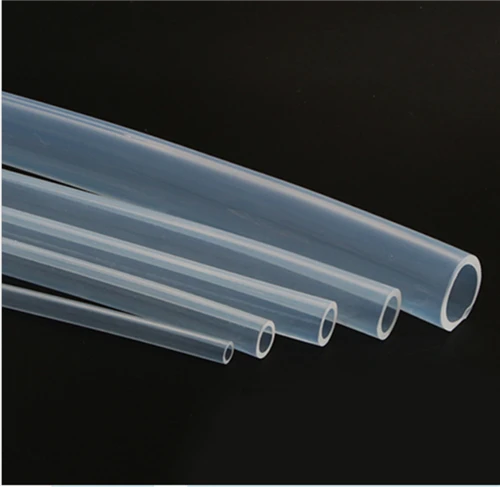
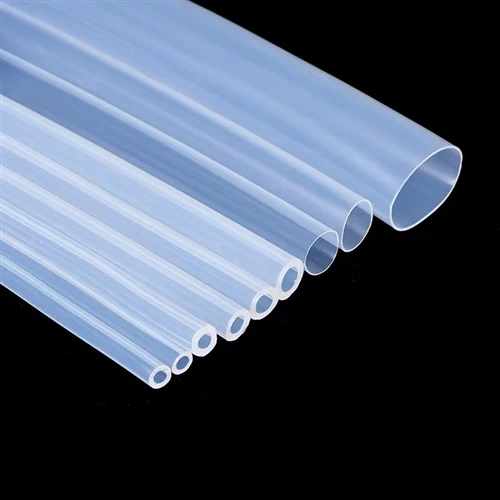
Silicone rubber, also known as silicone styrene, is a type of rubber composed of alternating silicon and oxygen atoms in its main chain, with two organic groups typically attached to each silicon atom. This material exhibits excellent heat resistance, cold resistance, dielectric properties, ozone resistance, and atmospheric aging resistance. Silicone rubber is particularly outstanding in its high-temperature resistance, generally capable of long-term use within a temperature range of -60℃ to 250℃ while maintaining good elasticity.

III. Manufacturing Process of Silicone Molded Products
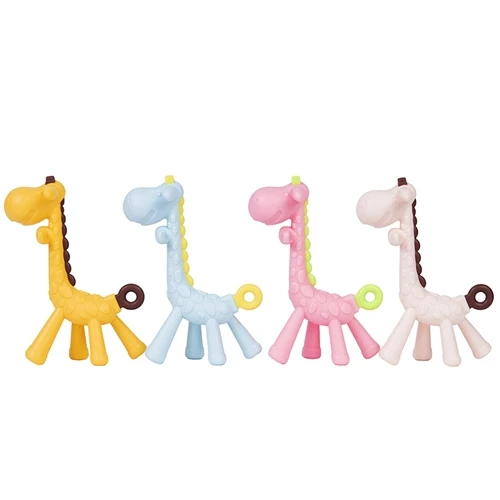
Silicone molded products are typically made through processes such as mold pressing or injection molding. During the manufacturing process, the silicone material undergoes high-temperature vulcanization, which makes its molecular chains more stable. Therefore, the finished silicone products not only have good elasticity but also inherit the high-temperature resistance of silicone material.
III. Performance of Silicone Molded Products in High-Temperature Environments
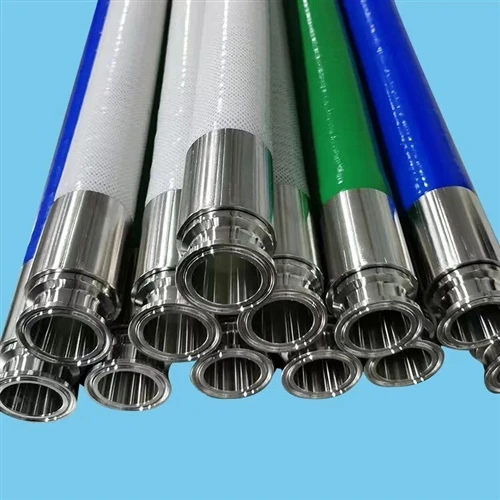
molded products maintain stable performance in high-temperature environments . Their high-temperature resistance makes silicone components less prone to deformation, aging, or failure when exposed to high temperatures. This has led to the widespread use of silicone components in many applications requiring high-temperature resistance, such as automotive, electronics, and aerospace.