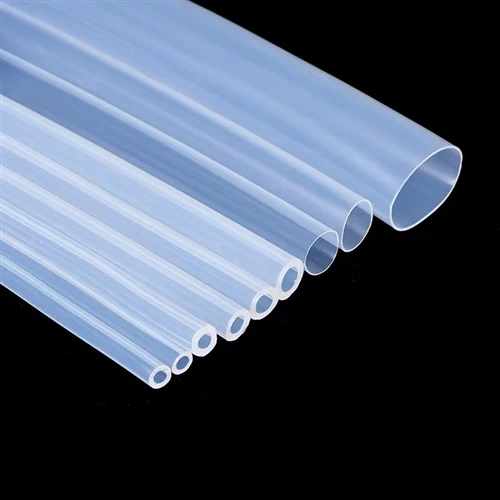
1. Different ingredients:
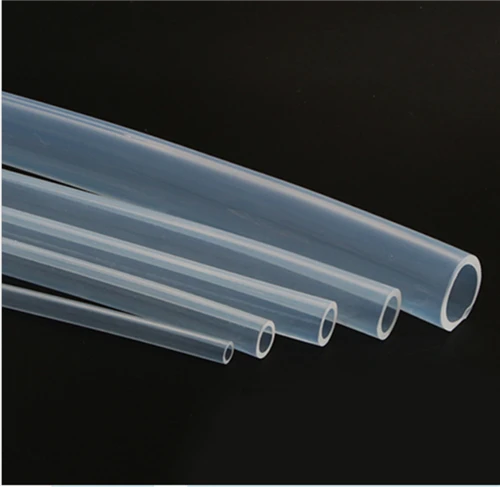
Silicone products: Made from a single-component, room-temperature vulcanized liquid rubber, using organosilicon as the raw material, they belong to the category of elastomer materials. The silicon-oxygen bonds in their molecular structure endow them with unique chemical stability.
Rubber products are divided into two categories: natural rubber and synthetic rubber. Natural rubber is made from rubber plant latex and its main component is a polymer with an isoprene structure. Synthetic rubber is prepared through chemical synthesis and has a rapid recovery ability, meaning it can quickly return to its shape after being deformed by external forces.
2. Physical properties:
Silicone products: They have a soft touch but low resilience, a low coefficient of friction, and often exhibit a translucent or matte texture.
Rubber products: wider hardness range (from Shore A20 to A90), high resilience, abrasion and tear resistance, and matte or glossy surface.
3. Environmental friendliness:
Rubber products: Natural rubber is relatively environmentally friendly, but synthetic rubber may contain plasticizers, vulcanization auxiliaries, etc., which may release odors or harmful substances.
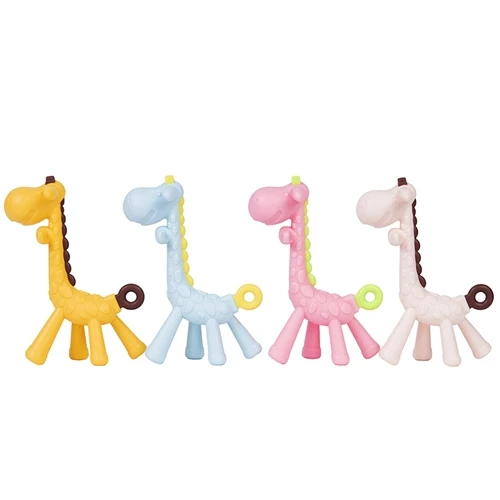
Silicone products: non-toxic and odorless, meet food-grade certifications such as FDA and LFGB, and are significantly more environmentally friendly than rubber products.
4. Simple identification method
Rubber produces black smoke and leaves black char residue when burned, reflecting the carbonization process of its organic components.
Silica gel produces almost no smoke, leaving behind a white silica powder. This is related to the decomposition products of its silicon-oxygen bonds.
5. Typical applications:
Rubber products are widely used in large machinery and industrial equipment, such as tires, rubber hoses, seals, and insulation materials, relying on their wear resistance, electrical conductivity, and corrosion resistance.
(1) Rubber wheels and rollers: Rubber is an important material for making rollers in order to improve the wear resistance and tensile strength of rollers.
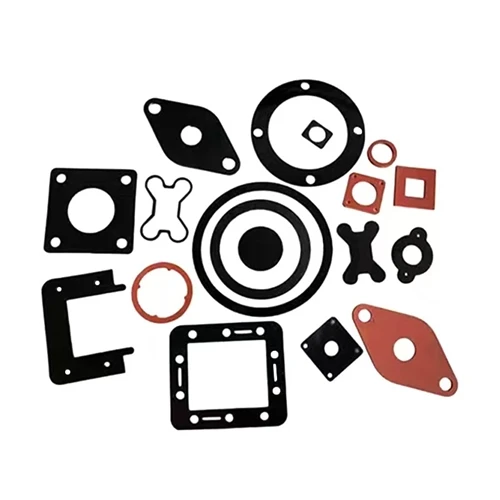
(2) Seals: Rubber's sealing properties can prevent the leakage of liquids, gases and dust, and it is used to make gaskets, sealing rings, check valves, etc.
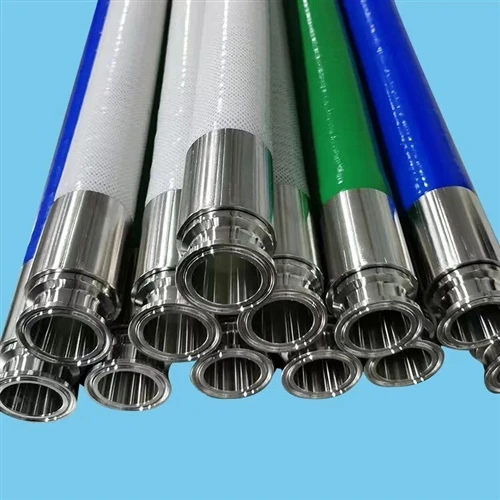
(3) Pipelines: Rubber pipes are widely used in industry, including for transporting corrosive media, oils and water.
Are silicone scrapers heat resistant?
Like silicone cookware, silicone scrapers are heat-resistant, as they are made from the same raw material: silicone. High-quality silicone is heat-resistant and will not deform even at temperatures up to 230 degrees Celsius . Therefore, silicone scrapers can be used at high temperatures. If you don't have a spatula when stir-frying, a silicone scraper can be used as a substitute. Firstly, the shape of a silicone scraper is very similar to a spatula, allowing for tasks like flipping and stirring during cooking. Secondly, silicone scrapers are also heat-resistant, so you don't need to worry about releasing harmful substances or deforming during stir-frying. Therefore, it's perfectly acceptable to use a silicone scraper occasionally for stir-frying.
Silicone scrapers are excellent in terms of ease of use, product characteristics, and stability. If you need one, you can confidently purchase a silicone scraper.