I. Mold Preparation
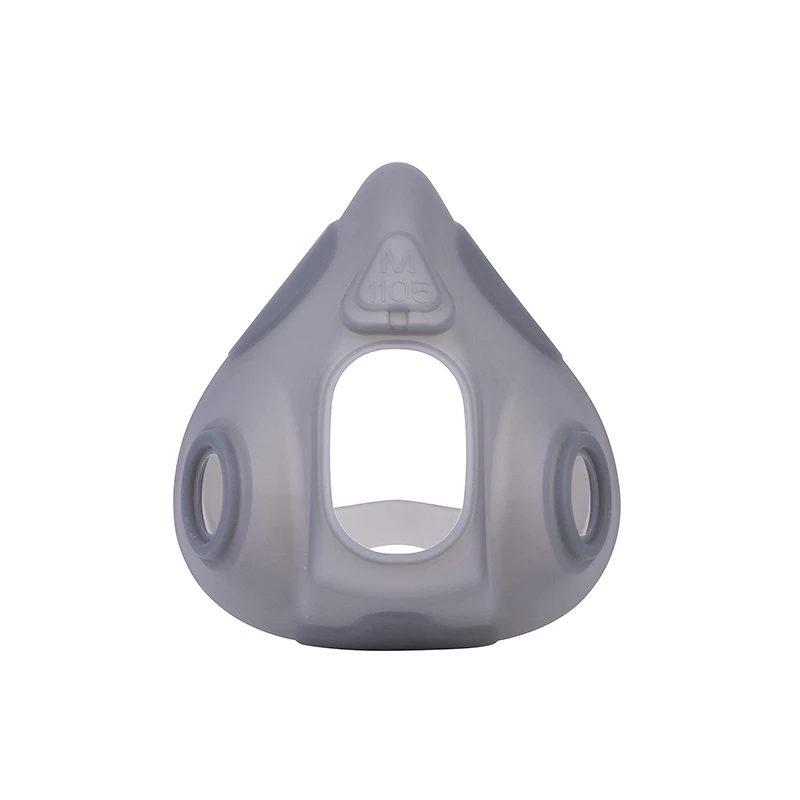
Mold preparation is the first step in creating silicone molded products, and its quality directly affects the subsequent production results. Molds can be made using methods such as 3D printing, CNC machining, or by hand. Regardless of the method used, mold making requires design, drafting, cutting, and finishing processes to ensure the mold's precision and integrity.
II. Proofing
After the mold is prepared, a sample needs to be made to evaluate the mold quality and product effect. The sample can be made using simulated materials to resemble the product, or it can be made using actual materials. During the sampling process, attention should be paid to the maintenance and upkeep of the mold to prevent damage that could prevent subsequent work from proceeding.
III. Preparation of Silica Gel
Preparing silicone is a crucial step in molding silicone products. The preparation steps vary slightly depending on the silicone material, but generally include mixing, homogenization, and placement. It is important to ensure accurate silicone proportions, thorough mixing, and avoid the formation of air bubbles during preparation.

IV. Applying Adhesive
Applying silicone sealant is the process of coating the silicone onto the surface of the mold. Before applying the sealant, the mold needs to be cleaned and waxed to prevent affecting the coating effect. The sealant should be applied evenly and thinly to avoid affecting the appearance and performance of the product.
V. Injection of adhesive
Silicone injection is the process of injecting silicone into a mold and then vibrating it to remove air bubbles. During injection, it's crucial to control the amount of silicone injected to ensure the product's size and weight meet requirements. After injection, further degassing is necessary to prevent the formation of air bubbles.
VI. Curing
Curing is the process of waiting for the silicone gel to solidify. The curing time and requirements for silicone vary depending on the product, but generally require maintaining appropriate temperature and humidity conditions for a certain period of time to allow the silicone gel to form.
VII. Demolding
After curing, the silicone product needs to be removed from the mold. Care should be taken to separate the mold and silicone during demolding to avoid damaging the silicone product. After demolding, subsequent work such as trimming and finishing can be performed on the silicone product.