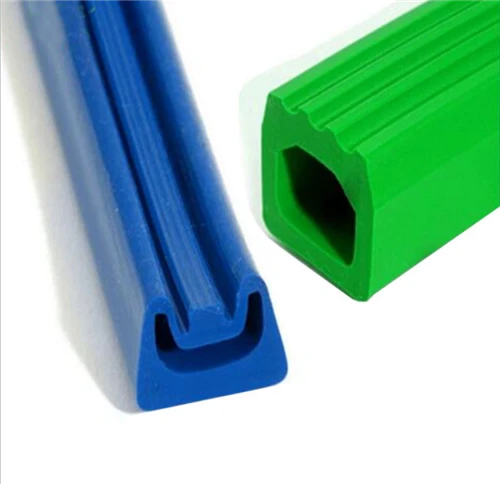
Silicone pads are widely used in various fields such as home, food, electronics, industry, and office due to their properties of high and low temperature resistance, anti-slip and shock absorption, waterproof sealing, insulation and anti-aging. They can be divided into two categories according to the material: food grade and industrial grade, with clear distinctions in applicable scenarios.
1. In home kitchen settings, food-grade silicone mats are essential items. They can be used as kneading mats, baking mats, heat-insulating placemats, and coasters. They are non-stick, easy to clean, and heat-resistant. They can be placed in ovens, microwaves, and steamed in boiling water, and can safely come into contact with various food items. At the same time, they can protect furniture and countertops from burns and scratches.
2. In daily household use, silicone mats can be made into anti-slip mats for furniture, shock-absorbing mats for equipment, and sealing gaskets for water cups and lunch boxes. They can prevent furniture from shifting, reduce vibration and noise from electrical appliances, and also serve as waterproof and leak-proof mats, making them extremely practical.

3. In the electronics and industrial sectors, industrial-grade silicone pads are primarily used as electrical insulating pads, set-top boxes, and audio damping pads, providing insulation, protection, noise reduction, and cushioning. In machinery, they can also be used to make sealing gaskets and machine buffer pads, effectively preventing oil and water leaks, reducing equipment vibration and wear, and are suitable for various mechanical seals and vibration damping operations.
4. In office settings, silicone pads can be used as waterproof desktop mats, anti-slip and shock-absorbing mats for keyboards and printers, protecting desktops and stabilizing equipment.
Silicone pads are generally suitable for temperatures ranging from -40℃ to 200℃, with high-temperature resistant models reaching 250℃, making them suitable for most everyday and industrial environments. However, they have limitations: they cannot be directly exposed to open flames or high-temperature charcoal fires, and they are not resistant to sharp cuts. Furthermore, industrial-grade silicone contains trace amounts of harmful substances and must not come into contact with food; it is for industrial protection only and must be strictly distinguished from food-grade silicone pads.