The standard specifications typically applied to braided hoses are GB/T 23448-2009 or JC 886-2001. Since these hoses are primarily utilized for water supply connections in sanitary fixtures or drinking water systems-where the water, after passing through the hose, comes into direct contact with human skin or is consumed directly-the material used for the inner tube (which is in contact with the water source) is of critical importance.
Current national standards and Ministry of Construction standards mandate that inner tube materials must comply with GB/T 17219-1998, the *Standard for Safety Evaluation of Equipment and Protective Materials in Drinking Water Supply and Distribution Systems*, in order to ensure that the water source remains free from contamination.
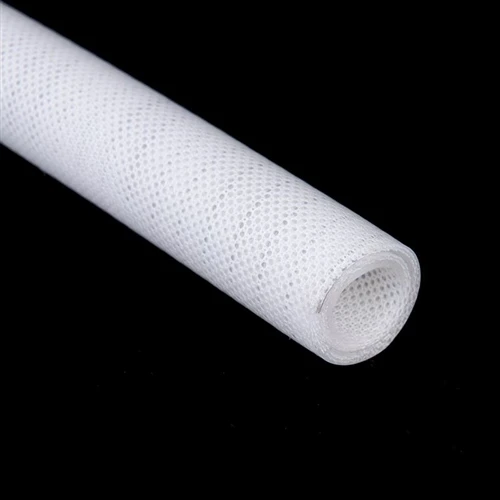
In Europe, Germany imposes particularly stringent requirements on braided hoses-especially those connected to drinking water supplies-mandating that the inner tube undergo the W270 microbiological toxicity test. Under these rigorous requirements, traditional raw materials such as PVC and EPDM are no longer deemed compliant. Consequently, the latest inner tube materials widely adopted in the European market are primarily silicone or PEX-B tubing. Given the relatively high cost of silicone tubing, PEX-B tubing is emerging as the dominant trend for the future of the European market-a trend that is also extending to other developed nations, including those in North America.