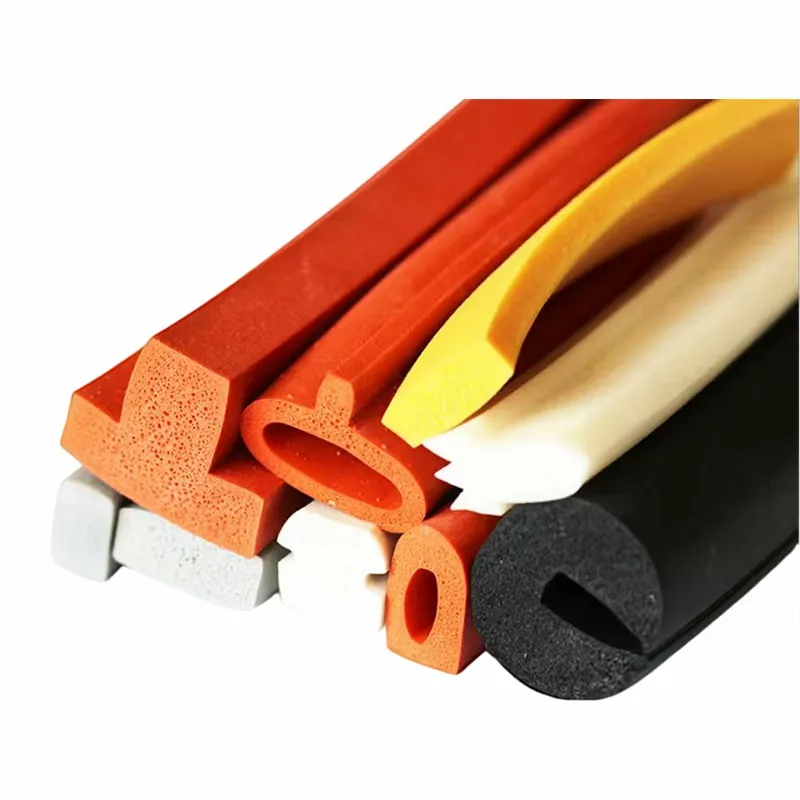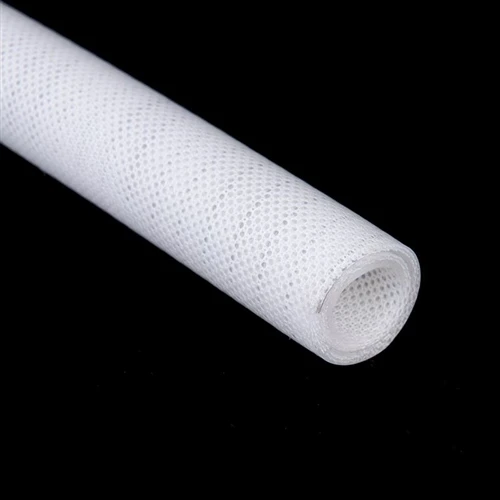
Hardness: Silicone hardness is typically expressed using the Shore hardness scale. Varying numerical values correspond to different degrees of material softness or firmness; the appropriate hardness must be selected based on the pressure the component will be subjected to, as well as the specific support or sealing force required.
Temperature Range: It is essential to understand both the normal operating temperature and any potential extreme temperatures within the component's working environment to ensure that the selected silicone material's long-term service temperature range and short-term thermal tolerance meet the necessary requirements.
Chemical Compatibility: If the component will come into contact with specific liquids or gases, it is necessary to verify the silicone material's stability against them-specifically, to ensure that such contact does not result in swelling, corrosion, or a degradation of performance.
Dimensional Accuracy and Tolerance: The dimensions of the component-particularly for parts intended for sealing or assembly applications-must feature a tolerance range that aligns with the interface requirements; this directly impacts the effectiveness of the component in use.
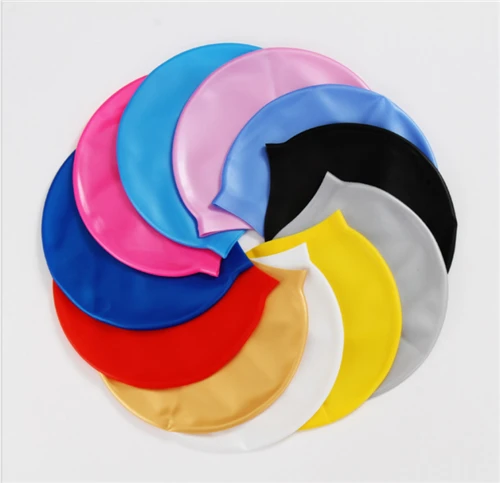
Color and Appearance: Select the appropriate color and surface finish (gloss level) based on the overall product design or the need to differentiate between specific functions or applications. Coloration is typically achieved through the addition of color masterbatches.
Relevant Certifications: For components intended for use in specific industries (such as food contact applications or the electronics/electrical sector), it may be necessary to verify whether the material has successfully passed the relevant safety or performance standard assessments mandated by that particular industry.