
What is the elasticity of a silicone pad?


As a supplier of silicone pads, I've encountered numerous inquiries about the elasticity of these versatile products. Elasticity is a crucial property that influences the performance, durability, and application scope of silicone pads. In this blog, I'll delve into the concept of elasticity, explain how it relates to silicone pads, and explore its significance in various applications.
Understanding Elasticity
Elasticity, in the context of materials science, refers to the ability of a material to deform under stress and return to its original shape once the stress is removed. This property is typically measured by the Young's modulus, which is the ratio of stress to strain within the elastic limit of the material. A material with a high Young's modulus is stiffer and less elastic, while a material with a low Young's modulus is more flexible and elastic.
Silicone is a polymer material known for its excellent elasticity. It can withstand significant deformation without permanent damage, making it an ideal choice for applications that require flexibility and resilience. The elasticity of silicone is due to its molecular structure, which consists of long chains of silicon and oxygen atoms. These chains are cross-linked, creating a three-dimensional network that allows the material to stretch and contract.
Factors Affecting the Elasticity of Silicone Pads
Several factors can influence the elasticity of silicone pads, including:
- Silicone formulation: The type and amount of additives used in the silicone formulation can affect its elasticity. For example, adding fillers such as silica can increase the stiffness of the silicone, while adding plasticizers can make it more flexible.
- Cross-linking density: The degree of cross-linking between the silicone chains can also affect its elasticity. A higher cross-linking density results in a stiffer and less elastic material, while a lower cross-linking density results in a more flexible and elastic material.
- Temperature: The elasticity of silicone pads can vary with temperature. Generally, silicone becomes more flexible and elastic at higher temperatures and stiffer and less elastic at lower temperatures.
- Thickness: The thickness of the silicone pad can also affect its elasticity. Thicker pads are generally stiffer and less elastic than thinner pads.
Applications of Elasticity in Silicone Pads
The elasticity of silicone pads makes them suitable for a wide range of applications, including:
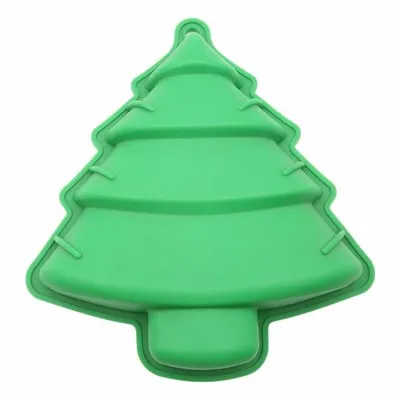
- Kitchenware: Kitchen Silicone Mat are popular for their non-stick surface and flexibility. They can be used as baking mats, cutting boards, or trivets. The elasticity of the silicone allows the mat to conform to the shape of the surface it's placed on, providing a secure and stable base.
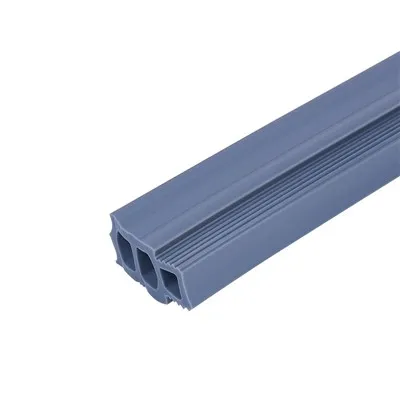
- Industrial applications: Silicone pads are used in various industrial applications, such as gaskets, seals, and vibration dampers. The elasticity of the silicone allows it to form a tight seal and absorb vibrations, preventing leaks and reducing noise.
- Medical applications: Silicone pads are used in medical applications, such as wound dressings, prosthetics, and orthopedic devices. The elasticity of the silicone allows it to conform to the shape of the body and provide a comfortable and secure fit.
- Pet products: Silicone Pet Feeding Mat are designed to prevent food and water from spilling. The elasticity of the silicone allows the mat to grip the surface and prevent it from sliding around.
Measuring the Elasticity of Silicone Pads
There are several methods for measuring the elasticity of silicone pads, including:
- Tensile testing: Tensile testing involves applying a force to a sample of the silicone pad and measuring the resulting deformation. The Young's modulus can be calculated from the stress-strain curve obtained from the test.
- Compression testing: Compression testing involves applying a force to a sample of the silicone pad and measuring the resulting compression. The compression set can be calculated from the test, which indicates the ability of the material to recover its original shape after being compressed.
- Hardness testing: Hardness testing involves measuring the resistance of the silicone pad to indentation. The Shore hardness scale is commonly used to measure the hardness of silicone materials.
Importance of Elasticity in Silicone Pad Selection
When selecting a silicone pad for a specific application, it's important to consider the elasticity of the material. The elasticity of the silicone pad can affect its performance, durability, and suitability for the application. For example, if you're using a silicone pad as a gasket, you'll need a material with high elasticity to ensure a tight seal. On the other hand, if you're using a silicone pad as a cutting board, you'll need a material with low elasticity to provide a stable and non-slip surface.
Conclusion
In conclusion, the elasticity of a silicone pad is a crucial property that affects its performance, durability, and application scope. Silicone is a highly elastic material that can withstand significant deformation without permanent damage. The elasticity of silicone pads is influenced by several factors, including the silicone formulation, cross-linking density, temperature, and thickness. Understanding the elasticity of silicone pads is important for selecting the right material for a specific application.
If you're interested in purchasing silicone pads for your business or personal use, please feel free to contact us for more information. We offer a wide range of silicone pads in different sizes, shapes, and colors to meet your specific needs. Our products are made from high-quality silicone materials and are designed to provide excellent performance and durability.
References
- Callister, W. D., & Rethwisch, D. G. (2011). Materials Science and Engineering: An Introduction. Wiley.
- Mark, J. E., & Erman, B. (2007). Rubberlike Elasticity: A Molecular Primer. Cambridge University Press.
- Seymour, R. B., & Carraher, C. E. (2009). Polymer Chemistry: An Introduction. CRC Press.