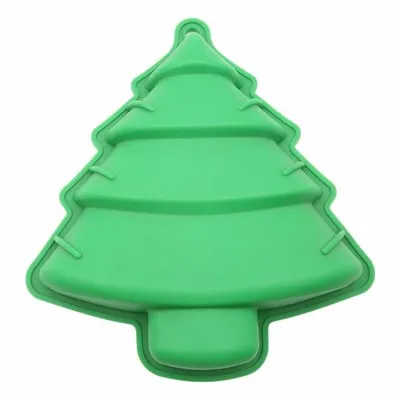

Hey there, fellow bakers! As a supplier of Silicone Baking Tools, I've seen my fair share of dirty silicone baking tools. But don't worry, cleaning them isn't as hard as it might seem. In this blog post, I'm going to share some tips and tricks on how to clean your silicone baking tools effectively.
Why Cleaning Silicone Baking Tools is Important
Before we dive into the cleaning process, let's talk about why it's so important to keep your silicone baking tools clean. Silicone is a great material for baking because it's flexible, non-stick, and heat-resistant. But over time, food particles and grease can build up on the surface of the silicone, which can affect the taste and quality of your baked goods. Plus, dirty silicone tools can harbor bacteria, which can make you sick. So, keeping your silicone baking tools clean is not only important for the longevity of your tools but also for your health.

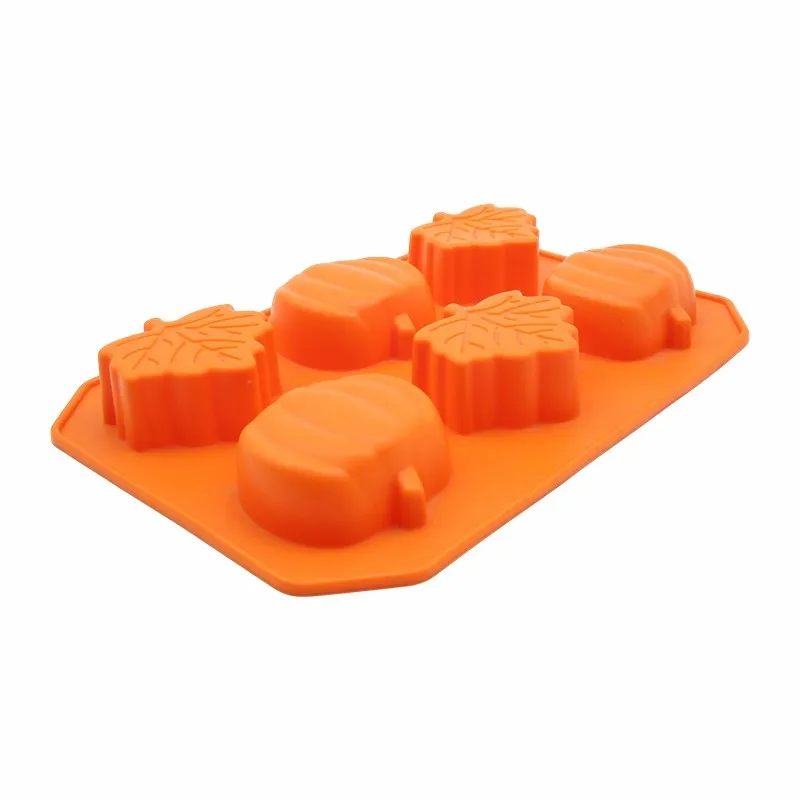
Basic Cleaning Steps
The first step in cleaning your silicone baking tools is to remove any excess food or debris. You can do this by using a spatula or a brush to scrape off any large pieces of food. Then, rinse the tool under warm water to remove any loose dirt or debris.
Next, fill a sink or a large bowl with warm water and add a small amount of mild dish soap. You can use any dish soap that you normally use for washing dishes, but make sure it's not too harsh or abrasive. Submerge the silicone tool in the soapy water and use a soft sponge or a brush to gently scrub the surface of the tool. Pay special attention to any areas that have stubborn stains or grease.
After you've scrubbed the tool, rinse it thoroughly under warm water to remove all the soap. Make sure to rinse the tool well, as any leftover soap can affect the taste of your baked goods. Then, dry the tool with a clean towel or let it air dry.
Cleaning Stubborn Stains and Odors
Sometimes, even after a basic cleaning, your silicone baking tools may still have stubborn stains or odors. Here are some tips on how to get rid of them:
- Baking Soda: Baking soda is a great natural cleaner that can help remove stains and odors from silicone baking tools. To use baking soda, make a paste by mixing baking soda with water. Apply the paste to the stained area and let it sit for a few minutes. Then, use a soft sponge or a brush to scrub the area gently. Rinse the tool thoroughly under warm water and dry it.
- Vinegar: Vinegar is another natural cleaner that can help remove stains and odors from silicone baking tools. To use vinegar, fill a sink or a large bowl with equal parts vinegar and water. Submerge the silicone tool in the vinegar solution and let it soak for a few hours or overnight. Then, rinse the tool thoroughly under warm water and dry it.
- Lemon Juice: Lemon juice is a natural acid that can help remove stains and odors from silicone baking tools. To use lemon juice, squeeze some lemon juice onto the stained area and let it sit for a few minutes. Then, use a soft sponge or a brush to scrub the area gently. Rinse the tool thoroughly under warm water and dry it.
Cleaning Specific Silicone Baking Tools
Different silicone baking tools may require different cleaning methods. Here are some tips on how to clean specific silicone baking tools:
- Food-grade Silicone Oil Brush: To clean a silicone oil brush, first, remove any excess oil from the brush by wiping it with a paper towel. Then, rinse the brush under warm water to remove any loose dirt or debris. Next, fill a sink or a large bowl with warm water and add a small amount of mild dish soap. Submerge the brush in the soapy water and use a soft sponge or a brush to gently scrub the bristles. Rinse the brush thoroughly under warm water and dry it.
- High Heat Resistant Silicone Spatula: To clean a silicone spatula, first, remove any excess food or debris from the spatula by using a spatula or a brush. Then, rinse the spatula under warm water to remove any loose dirt or debris. Next, fill a sink or a large bowl with warm water and add a small amount of mild dish soap. Submerge the spatula in the soapy water and use a soft sponge or a brush to gently scrub the surface of the spatula. Pay special attention to any areas that have stubborn stains or grease. Rinse the spatula thoroughly under warm water and dry it.
- Silicone Baking Mats: To clean a silicone baking mat, first, remove any excess food or debris from the mat by using a spatula or a brush. Then, rinse the mat under warm water to remove any loose dirt or debris. Next, fill a sink or a large bowl with warm water and add a small amount of mild dish soap. Submerge the mat in the soapy water and use a soft sponge or a brush to gently scrub the surface of the mat. Pay special attention to any areas that have stubborn stains or grease. Rinse the mat thoroughly under warm water and dry it.
Tips for Maintaining Your Silicone Baking Tools
In addition to cleaning your silicone baking tools regularly, there are some other things you can do to maintain them and keep them in good condition. Here are some tips:
- Store Your Tools Properly: When you're not using your silicone baking tools, make sure to store them in a cool, dry place. Avoid storing them in direct sunlight or near a heat source, as this can cause the silicone to warp or melt.
- Avoid Using Abrasive Cleaners: When cleaning your silicone baking tools, avoid using abrasive cleaners or scrubbers, as this can damage the surface of the silicone. Instead, use a soft sponge or a brush and a mild dish soap.
- Don't Overheat Your Tools: Silicone is heat-resistant, but it can still be damaged if it's exposed to high temperatures for too long. When using your silicone baking tools, make sure to follow the manufacturer's instructions and don't overheat them.
Conclusion
Cleaning your silicone baking tools is an important part of maintaining them and keeping them in good condition. By following the tips and tricks in this blog post, you can easily clean your silicone baking tools and keep them looking and performing their best. If you have any questions or need more information about cleaning your silicone baking tools, please don't hesitate to contact us. We're always happy to help!
If you're interested in purchasing high-quality Silicone Baking Tools, we'd love to have a chat with you. Whether you're a home baker or a professional chef, our products are designed to meet your needs. Reach out to us for more details and let's start this baking journey together!
References
- "Silicone Baking Tools Care Guide" - General baking knowledge resources
- "Cleaning Tips for Kitchen Utensils" - Kitchenware maintenance literature