
In the realm of personal protective equipment, the silicone dust mask has emerged as a popular choice for individuals seeking reliable protection against airborne particles. As a supplier of high - quality silicone dust masks, I've witnessed firsthand the diverse applications and environments where these masks are used. One particular scenario that often raises questions is how a silicone dust mask performs in cold weather. In this blog, we'll delve into the science behind the performance of silicone dust masks in low - temperature conditions, exploring the key factors that influence their effectiveness.
Silicone: A Material Overview
Silicone is a synthetic polymer known for its unique properties. It is highly flexible, durable, and resistant to a wide range of temperatures. These characteristics make it an ideal material for various applications, including dust masks. Silicone masks are designed to provide a comfortable and secure fit, ensuring that they effectively block out dust, pollen, and other harmful particles.
Cold Weather Impact on Silicone
One of the primary concerns when using a silicone dust mask in cold weather is the potential for the material to become stiff. Silicone's flexibility is one of its greatest assets, as it allows the mask to conform to the face and create a tight seal. However, at low temperatures, silicone can lose some of its elasticity.
When the temperature drops, the molecular structure of silicone undergoes changes. The polymer chains become less mobile, which can lead to a decrease in flexibility. This stiffness can affect the mask's ability to fit snugly on the face. If the mask does not fit properly, there may be gaps around the edges, allowing dust and other particles to enter.
Breathability in Cold Weather
Another important aspect of a dust mask's performance is its breathability. In cold weather, the air is typically drier, and our breathing patterns may change. A good dust mask should allow for easy inhalation and exhalation while still providing effective filtration.
Silicone dust masks are designed with breathable materials to ensure that users can breathe comfortably. However, in cold weather, the cold air can cause moisture to condense inside the mask. This can lead to a feeling of dampness and discomfort, as well as potentially reducing the mask's filtration efficiency. To combat this, some silicone dust masks are equipped with moisture - wicking linings that help to keep the inside of the mask dry.
Filtration Efficiency
The primary function of a dust mask is to filter out harmful particles from the air. In cold weather, the performance of the filtration system can be affected by several factors.
Firstly, the cold air can cause the particles in the air to become more concentrated. This means that the mask has to work harder to filter out the same amount of dust. Secondly, the stiffness of the silicone material can affect the movement of air through the mask. If the mask is too stiff, it may restrict the airflow, reducing the efficiency of the filtration system.
However, high - quality silicone dust masks are designed to maintain their filtration efficiency even in cold weather. They use advanced filtration materials that are capable of capturing a wide range of particle sizes, regardless of the temperature.
Comfort and Fit
Comfort is a crucial factor when it comes to wearing a dust mask, especially in cold weather. A mask that is uncomfortable to wear is likely to be removed or adjusted frequently, which can compromise its effectiveness.
Silicone dust masks are known for their comfortable fit. The soft and flexible silicone material conforms to the shape of the face, providing a secure and comfortable seal. In cold weather, the mask should also provide some insulation to keep the face warm. Some silicone dust masks are designed with additional layers or padding to enhance comfort and warmth.
Comparison with Other Mask Materials
When considering the performance of silicone dust masks in cold weather, it's useful to compare them with other mask materials. For example, traditional cloth masks may become stiff and less effective in cold weather. They may also absorb moisture more easily, leading to a feeling of dampness.
On the other hand, disposable masks made of non - woven materials may not provide the same level of durability and comfort as silicone masks. They may also be more prone to tearing or losing their shape in cold weather.
Our Silicone Dust Mask Offerings
As a supplier of silicone dust masks, we take pride in offering high - quality products that are designed to perform well in a variety of conditions, including cold weather. Our masks are made from premium silicone materials that are resistant to temperature changes. They are also equipped with advanced filtration systems to ensure maximum protection.
We also offer a range of other silicone products, such as Silicone Baby Bottle Brush Head and Silicone Shampoo and Conditioner Dispenser Bottles. These products are also made from high - quality silicone and are designed to meet the needs of our customers.
Conclusion
In conclusion, silicone dust masks can perform well in cold weather, but there are several factors to consider. The stiffness of the silicone material, breathability, filtration efficiency, and comfort all play a role in determining the mask's effectiveness. By choosing a high - quality silicone dust mask from a reputable supplier, you can ensure that you are protected from harmful particles even in the coldest of conditions.

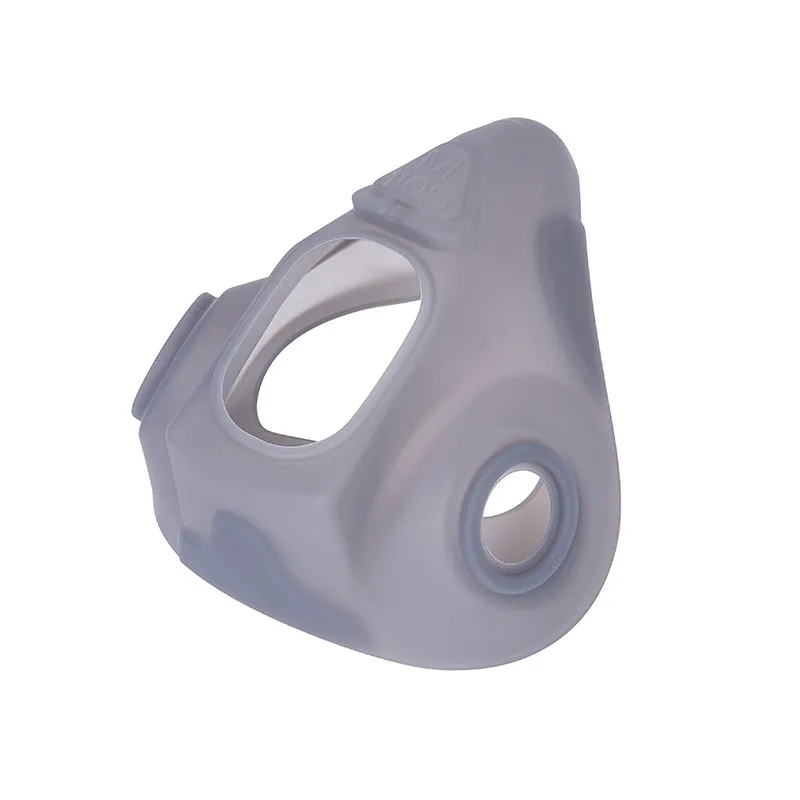
If you're interested in purchasing our Silicone Dust Mask or any of our other silicone products, we encourage you to contact us for a detailed discussion about your requirements. Our team of experts is ready to assist you in finding the right product for your needs.
References
- ASTM International. (2023). Standard test methods for performance of respiratory protective devices.
- National Institute for Occupational Safety and Health (NIOSH). (2022). Respiratory protection guide.