
How does a silicone dust mask fit on the face?
As a supplier of silicone dust masks, I've witnessed firsthand the growing demand for effective and comfortable respiratory protection. Silicone dust masks have gained popularity due to their unique properties, such as flexibility, durability, and hypoallergenic nature. In this blog post, I'll delve into the science behind how a silicone dust mask fits on the face, the factors that influence its fit, and why a proper fit is crucial for optimal protection.
The Anatomy of a Silicone Dust Mask
Before we discuss how a silicone dust mask fits on the face, let's first understand its basic structure. A typical silicone dust mask consists of several key components:
- Silicone Body: The main part of the mask is made of silicone, a synthetic rubber known for its flexibility, elasticity, and resistance to heat, chemicals, and moisture. The silicone body forms the shape of the mask and provides a seal around the face.
- Filter: The filter is the heart of the dust mask, responsible for trapping harmful particles and pollutants. It is usually made of a combination of materials, such as activated carbon, fiberglass, or synthetic fibers, and is designed to remove a specific range of contaminants.
- Strap: The strap is used to secure the mask to the head and ensure a snug fit. It is typically made of elastic material and can be adjusted to fit different head sizes.
- Nose Clip: The nose clip is a small piece of metal or plastic that is located at the top of the mask. It is used to mold the mask to the shape of the nose and prevent air from leaking in through the top of the mask.
How a Silicone Dust Mask Fits on the Face
The fit of a silicone dust mask is determined by several factors, including the shape of the mask, the size of the mask, and the individual's facial features. Here's a step-by-step guide on how to properly fit a silicone dust mask:
- Choose the Right Size: Silicone dust masks come in different sizes to fit different face shapes and sizes. It's important to choose a mask that fits snugly around the face without being too tight or too loose. You can measure your face using a tape measure to determine the appropriate size.
- Position the Mask: Place the mask over your nose and mouth, making sure that the nose clip is at the top of the mask. The mask should cover your nose, mouth, and chin completely.
- Adjust the Strap: Adjust the strap so that it is tight enough to hold the mask in place but not too tight that it causes discomfort. You can adjust the strap by pulling on the ends of the strap or by using the adjustment tabs on the mask.
- Mold the Nose Clip: Use your fingers to mold the nose clip to the shape of your nose. This will help to prevent air from leaking in through the top of the mask.
- Check the Fit: Once you have adjusted the mask and molded the nose clip, check the fit by inhaling and exhaling deeply. The mask should feel comfortable and secure, and there should be no air leaking in or out of the mask.
Factors That Influence the Fit of a Silicone Dust Mask
Several factors can influence the fit of a silicone dust mask, including:
- Facial Features: The shape and size of your face can affect the fit of the mask. People with round faces may find that a mask with a wider base fits better, while people with narrow faces may prefer a mask with a more tapered shape.
- Hair and Beard: Hair and beards can interfere with the seal of the mask and cause air to leak in. It's important to keep your hair and beard trimmed and out of the way when wearing a mask.
- Movement: The fit of the mask can change when you move your head or body. It's important to make sure that the mask stays in place and maintains a good seal even when you are moving.
- Humidity and Temperature: Humidity and temperature can affect the fit of the mask. In hot and humid conditions, the mask may become more uncomfortable and may not fit as well. It's important to choose a mask that is designed to be comfortable in different environmental conditions.
Why a Proper Fit is Crucial for Optimal Protection
A proper fit is crucial for optimal protection when wearing a silicone dust mask. If the mask does not fit properly, air can leak in through the sides or top of the mask, allowing harmful particles and pollutants to enter your lungs. This can reduce the effectiveness of the mask and increase your risk of respiratory problems.
In addition to providing protection, a proper fit also ensures comfort and usability. A mask that fits well will not cause discomfort or irritation, and it will be easier to wear for extended periods of time. This is especially important for people who need to wear a mask for work or other activities.
Other Silicone Products
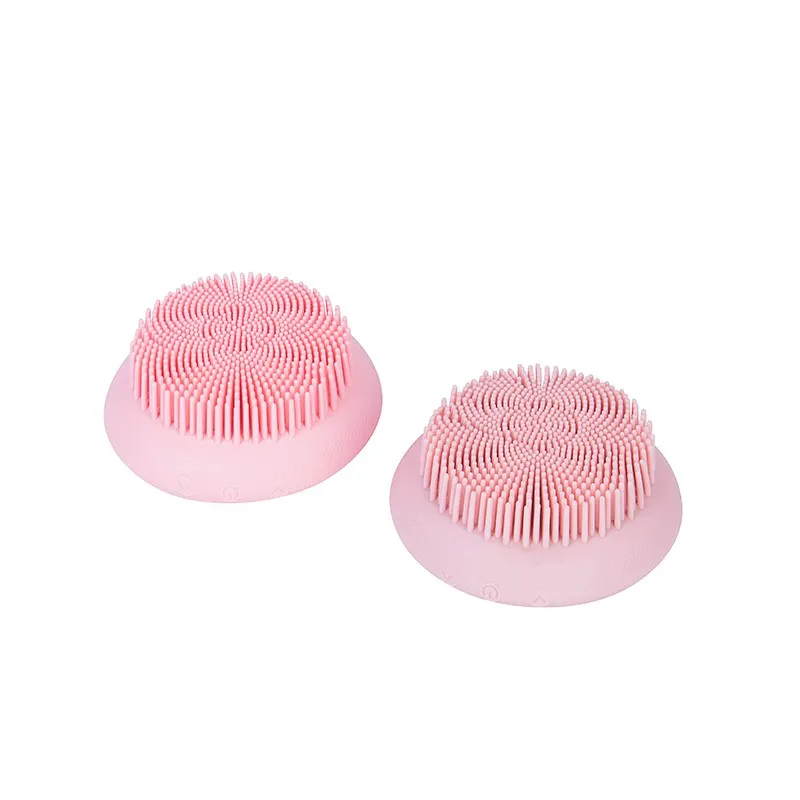
In addition to silicone dust masks, we also offer a range of other silicone products, including Silicone Face Brush, Silicone Baby Bottle Brush Head, and Silicone Drainable Soap Tray. These products are made from high-quality silicone and are designed to be durable, easy to clean, and safe to use.

Contact Us for Procurement
If you're interested in purchasing silicone dust masks or any of our other silicone products, please contact us for more information. We offer competitive prices, high-quality products, and excellent customer service. We look forward to hearing from you and helping you find the right respiratory protection for your needs.
References
- Occupational Safety and Health Administration (OSHA). (n.d.). Respiratory Protection. Retrieved from https://www.osha.gov/respiratory-protection
- Centers for Disease Control and Prevention (CDC). (2021). How to Properly Wear a Mask. Retrieved from https://www.cdc.gov/coronavirus/2019-ncov/prevent-getting-sick/how-to-wear-a-mask.html
- National Institute for Occupational Safety and Health (NIOSH). (n.d.). NIOSH-Approved Respirators. Retrieved from https://www.cdc.gov/niosh/npptl/topics/respirators/disp_part/respsource1.html