
When it comes to baking muffins, the choice of tools can significantly impact the outcome. As a supplier of silicone baking tools, I am often asked whether silicone tools are suitable for making muffins. In this blog, I'll delve into the details to help you understand the feasibility and advantages of using silicone baking tools for muffin - making.
Properties of Silicone Baking Tools
Silicone is a synthetic polymer known for its unique properties. It is highly flexible, heat - resistant, and non - stick. These characteristics make it an excellent material for baking tools.
Heat Resistance
Silicone can withstand a wide range of temperatures. Most food - grade silicone can handle temperatures from - 40°F to 482°F (- 40°C to 250°C). This means that it can safely go from the freezer to the oven without warping or melting. When making muffins, you might pre - heat your oven to around 350°F - 400°F (177°C - 204°C), well within the safe temperature range of silicone. So, from a heat - resistance perspective, silicone baking tools are more than capable of handling the baking process.
Non - stick Surface
One of the most significant advantages of silicone baking tools is their non - stick surface. When making muffins, this property is a game - changer. You can easily remove the muffins from the silicone muffin cups without the need for excessive greasing. This not only saves time but also reduces the amount of oil or butter used in the baking process, making your muffins potentially healthier.
Flexibility
Silicone is extremely flexible. After the muffins are baked, you can simply bend the silicone muffin cups to release the muffins. This is much easier compared to traditional metal or ceramic muffin tins, where you might have to use a knife to loosen the edges of the muffins. The flexibility also makes the silicone tools easy to clean. You can simply wash them under running water or put them in the dishwasher.
Using Silicone Baking Tools for Muffin - making
Muffin Cups
Silicone muffin cups are a popular choice for making muffins. They come in various sizes and shapes, allowing you to create different types of muffins. You can place the silicone muffin cups directly on a baking sheet and pour the muffin batter into them. The non - stick surface ensures that the muffins come out cleanly, and the flexibility makes it easy to remove them.


Silicone Baking Mats
Silicone baking mats can also be used in muffin - making. You can use them to line a traditional metal muffin tin. This provides an extra layer of non - stick protection and makes the tin easier to clean. The baking mat can also help distribute the heat more evenly, resulting in more evenly baked muffins.
Other Silicone Tools
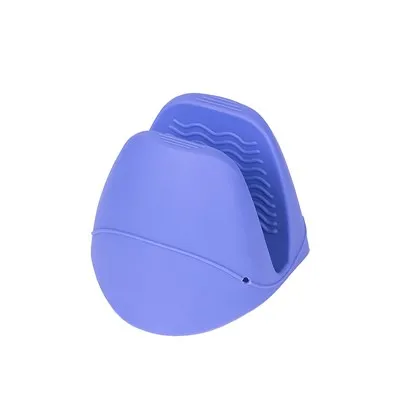
In addition to muffin cups and baking mats, other silicone tools can be useful in the muffin - making process. For example, a Silicone Oven Mitt can be used to safely handle the hot baking sheet or muffin tin. A Food - grade Silicone Oil Brush can be used to lightly grease the silicone muffin cups if needed.
Advantages of Using Silicone Baking Tools for Muffins
Health Benefits
As mentioned earlier, the non - stick property of silicone reduces the need for excessive greasing. This means that you can use less oil or butter in your muffin recipes, which is beneficial for your health. Additionally, food - grade silicone is free from harmful chemicals such as BPA, making it a safe choice for food contact.
Cost - effectiveness
Silicone baking tools are generally more affordable compared to some high - end metal or ceramic baking tools. They are also durable and can last for a long time with proper care. This makes them a cost - effective option for both home bakers and professional pastry chefs.
Versatility
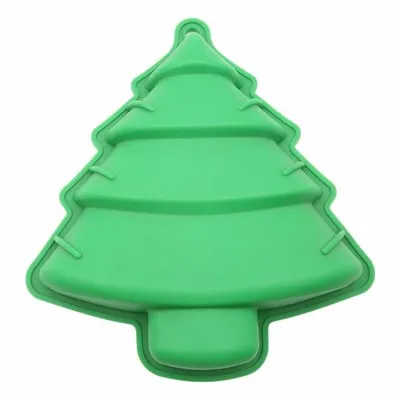
Silicone baking tools are not only suitable for making muffins but can also be used for a variety of other baking tasks. For example, Silicone Ice Trays can be used to make ice cubes, and silicone molds can be used to create other baked goods such as cakes and cookies.
Potential Concerns and How to Address Them
Browning
Some bakers may find that muffins baked in silicone cups do not brown as well as those baked in metal tins. This is because silicone is a poor conductor of heat compared to metal. To address this issue, you can increase the baking time slightly or place the silicone muffin cups on a metal baking sheet. The metal sheet will help conduct the heat more effectively and promote better browning.
Durability
While silicone is generally durable, it can be damaged if exposed to sharp objects or high - heat sources for an extended period. To ensure the longevity of your silicone baking tools, avoid using sharp utensils on them and follow the manufacturer's instructions regarding temperature limits.
Conclusion
In conclusion, silicone baking tools are an excellent choice for making muffins. Their heat - resistance, non - stick surface, and flexibility make them convenient and practical for both home and professional bakers. The health benefits, cost - effectiveness, and versatility further enhance their appeal.
If you are interested in purchasing high - quality silicone baking tools for your muffin - making needs, feel free to contact us for more information and to discuss your specific requirements. We are committed to providing you with the best products and services to meet your baking needs.
References
- "Silicone in the Kitchen: A Comprehensive Guide", Food Science Journal, 2022.
- "Baking with Silicone: Tips and Tricks", Baking Magazine, 2023.