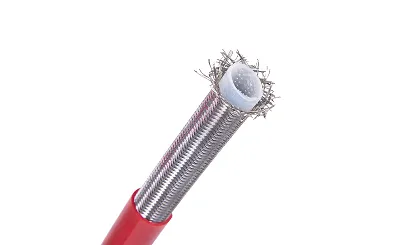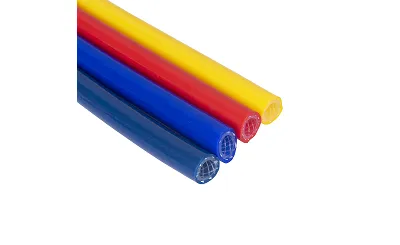
Silicone tubing and PVC tubing are two distinct types of flexible hoses, each possessing unique characteristics and areas of application. The following outlines the primary differences between them:
Material Composition
Silicone tubing is manufactured from silicone rubber-a polymer composed of silicon atoms, oxygen atoms, and organic side chains. In contrast, PVC tubing is made from polyvinyl chloride (PVC), a type of plastic material.
Temperature Resistance
Silicone tubing exhibits excellent heat resistance, capable of functioning within a temperature range of -60°C to approximately 200°C, and can even withstand even higher temperatures. Conversely, PVC tubing possesses lower temperature resistance and is typically suitable for use within a temperature range of 0°C to 60°C.
Flexibility
Silicone tubing offers superior flexibility and elasticity, making it well-suited for applications requiring bending or curvature. PVC tubing is relatively more rigid and less flexible than silicone tubing, though it remains suitable for general industrial applications.
Transparency
Silicone tubing typically features a high degree of transparency, whereas PVC tubing is generally opaque.
Applications
Silicone tubing is frequently utilized in high-temperature environments, food processing, and medical applications, as well as in chemical and laboratory settings where chemical stability and heat resistance are critical. PVC tubing is suitable for general industrial purposes, such as water supply, drainage, irrigation, and air conveyance.
Environmental Friendliness and Safety
Silicone tubing is generally considered environmentally friendly, non-toxic, and odorless; it complies with food-grade certification standards and is therefore suitable for use in food and medical applications. In contrast, the manufacturing process for PVC tubing may involve the use of additives containing toxic substances, such as plasticizers and antioxidants.