
Hey there! As a supplier of Large Silicone Pads, I often get asked about the rebound resilience of these nifty products. So, let's dive right in and explore what rebound resilience is all about when it comes to large silicone pads.
First off, what exactly is rebound resilience? In simple terms, it's the ability of a material to bounce back after being deformed. When you press down on a large silicone pad, it gets squished. Rebound resilience measures how quickly and completely it returns to its original shape once the pressure is removed.
Now, why is rebound resilience so important for large silicone pads? Well, it has a whole bunch of practical implications. For one, it affects the pad's durability. A pad with good rebound resilience can withstand repeated use and pressure without losing its shape over time. This means it'll last longer, saving you money in the long run.
Let's say you're using a Large Silicone Pad as a work surface in a busy kitchen. Chefs are constantly chopping, slicing, and moving things around on it. If the pad doesn't have good rebound resilience, it'll start to look all worn out and misshapen after a while. But with high rebound resilience, it'll keep its smooth, flat surface, making it a reliable and long - lasting tool.
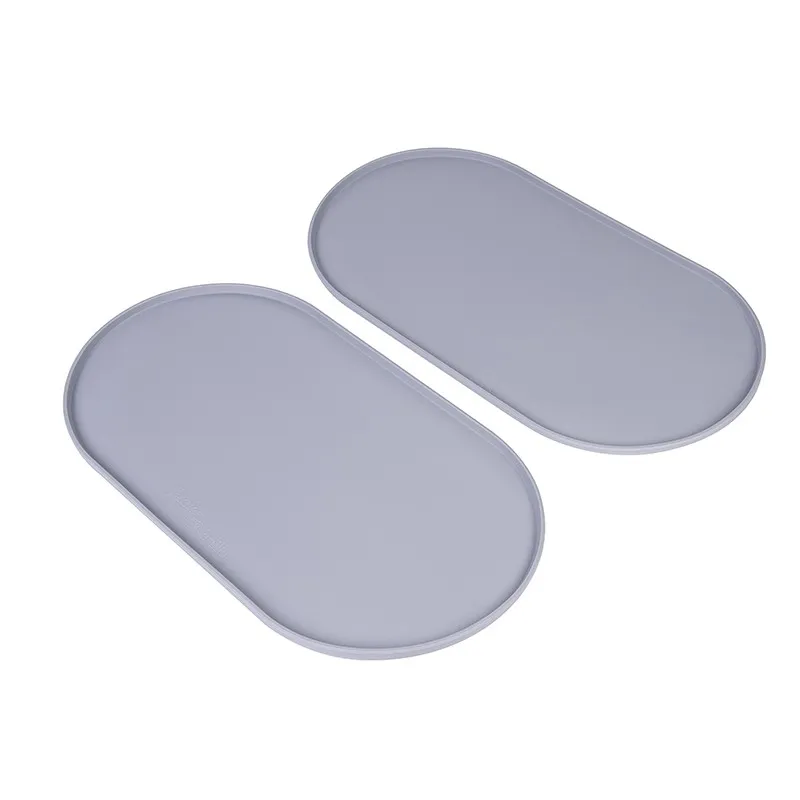
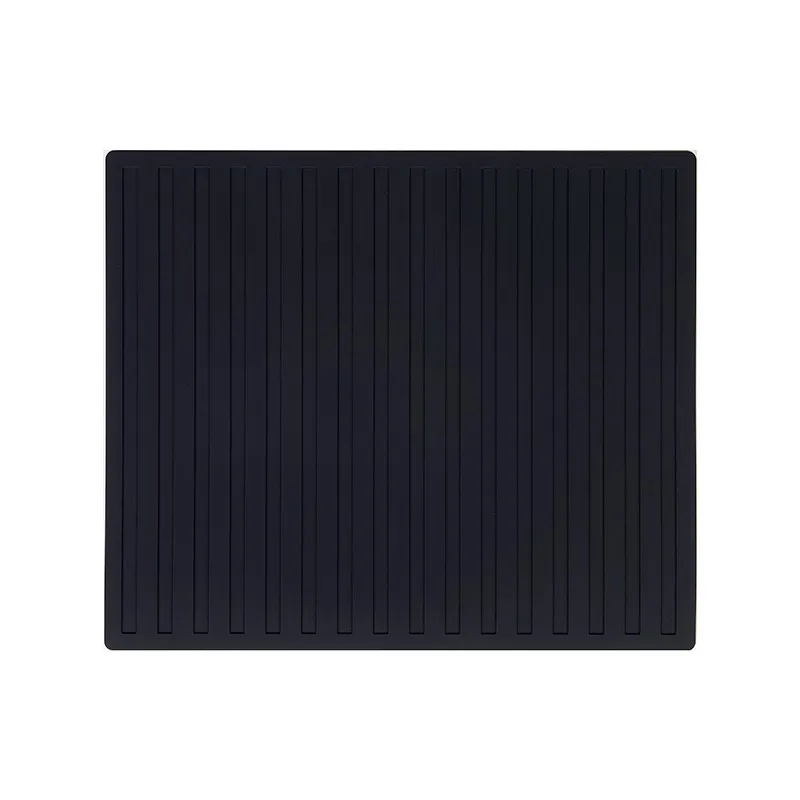
Another area where rebound resilience matters is in shock absorption. Large silicone pads are often used in environments where there's a lot of impact, like in industrial settings or as protective mats. When an object hits the pad, the pad deforms to absorb the shock. A pad with high rebound resilience can quickly return to its original state, ready to absorb the next impact. This is crucial for protecting both the objects and the surfaces beneath the pad.
For example, if you're using a Silicone Heat Insulation Pad under a hot pan, it needs to be able to bounce back after the weight of the pan is removed. If it doesn't, it might not provide proper insulation the next time you place a hot item on it.
The science behind the rebound resilience of large silicone pads is quite interesting. Silicone is a polymer, which means it's made up of long chains of molecules. These chains are flexible and can move around when pressure is applied. When the pressure is released, the chains try to go back to their original arrangement. The speed and extent to which they can do this determine the rebound resilience of the silicone pad.
Factors that can affect the rebound resilience of large silicone pads include the type of silicone used, the manufacturing process, and the thickness of the pad. Different grades of silicone have different molecular structures, which can impact how well they bounce back. For instance, high - quality silicone with a more uniform molecular structure tends to have better rebound resilience.
The manufacturing process also plays a big role. If the silicone is not properly cured during production, it can lead to a pad with lower rebound resilience. And thickness matters too. Generally, thicker pads have better rebound resilience because they have more material to deform and then recover.
Let's take a look at some of the common applications of large silicone pads and how rebound resilience comes into play in each case.
In the pet industry, Silicone Pet Feeding Mat are very popular. Pets can be a bit rough when they eat, pushing and pawing at their food bowls. A pad with good rebound resilience can handle this abuse and quickly return to its original shape, keeping the area clean and preventing spills.
In the kitchen, Kitchen Silicone Mat are used for a variety of tasks. From rolling out dough to placing hot pots and pans on, these mats need to be able to bounce back after each use. A mat with high rebound resilience will stay flat and smooth, making it easier to work on and more hygienic.
For baking, Oven Silicone Mat are a must - have. They need to withstand the heat and pressure of baking, and then return to their original shape when removed from the oven. This ensures that they can be used again and again without warping.
As a supplier of large silicone pads, I take pride in offering products with excellent rebound resilience. We use high - quality silicone and state - of - the - art manufacturing processes to ensure that our pads meet the highest standards. Whether you're a home cook, a pet owner, or an industrial user, our large silicone pads are designed to perform.
If you're in the market for large silicone pads, I encourage you to consider the rebound resilience of the products you're looking at. It can make a big difference in the performance and longevity of the pads. And if you have any questions or want to discuss your specific needs, don't hesitate to reach out. We're here to help you find the perfect silicone pad for your application.
So, if you're interested in purchasing large silicone pads, or any of our other silicone products like Silicone Pet Feeding Mats, Kitchen Silicone Mats, Silicone Heat Insulation Pads, or Oven Silicone Mats, just head over to our website and check out our selection. We're always happy to have a chat about your requirements and help you make the best choice.
References:
- Silicone Rubber: Properties, Applications, and Processing by John A. Brydson
- Handbook of Silicones by Clive L. Lee