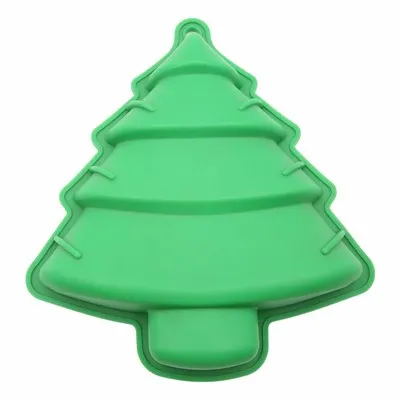

Storing silicone baking tools properly is crucial to maintain their quality and extend their lifespan. As a supplier of Silicone Baking Tools, I've encountered numerous customers who face issues with damaged silicone items. Here, I'll share some effective storage methods to prevent such problems.
Understanding Silicone Properties
Before delving into storage techniques, it's essential to understand the properties of silicone. Silicone is a synthetic polymer known for its flexibility, heat resistance, and non - stick properties. However, it can be damaged by sharp objects, extreme temperatures, and certain chemicals.
Silicone is generally resistant to temperatures ranging from -40°F to 482°F (-40°C to 250°C). But prolonged exposure to temperatures outside this range can cause the silicone to degrade. For instance, leaving silicone baking pans in a hot, unventilated attic during summer or in a freezing garage during winter can lead to cracking or hardening.
Cleaning Before Storage
Proper cleaning is the first step in preventing damage during storage. After each use, wash your silicone baking tools thoroughly with warm, soapy water. Use a soft sponge or cloth to avoid scratching the silicone surface. For stubborn stains, you can soak the tools in a solution of baking soda and water for about 30 minutes before rinsing.
Avoid using abrasive cleaners or steel wool, as they can scratch the silicone and create microscopic pores where bacteria can grow. Once cleaned, rinse the tools thoroughly to remove all traces of soap and dry them completely. Moisture left on the silicone can lead to mold growth during storage.
Choosing the Right Storage Space
The storage space should be cool, dry, and away from direct sunlight. Sunlight can cause the silicone to fade and become brittle over time. A pantry or a cabinet in the kitchen is an ideal location. Make sure the area is well - ventilated to prevent the buildup of moisture.
If you're storing a large number of silicone baking tools, consider using a storage container with compartments. This helps to keep the tools organized and prevents them from getting tangled or crushed. Clear plastic containers are a great option as they allow you to easily see the contents inside.
Storing Different Types of Silicone Baking Tools
Silicone Ice Trays
Silicone Ice Trays are a popular item in many kitchens. To store them, make sure they are completely dry. You can stack them on top of each other, but place a soft cloth or a piece of paper between each tray to prevent scratching. If you have a large collection, you can also hang them on a wall using hooks. This not only saves space but also keeps them easily accessible.
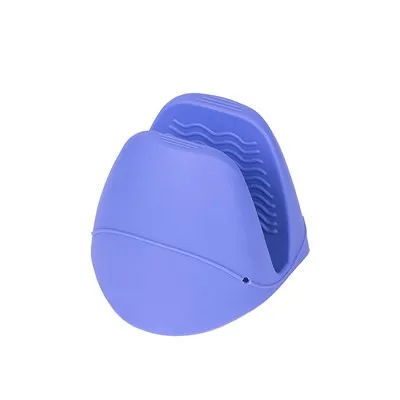
Silicone Oven Mitt
Silicone Oven Mitt should be stored flat to maintain their shape. You can fold them neatly and place them in a drawer or a storage bin. Avoid hanging them by the loop for an extended period, as this can stretch the material and weaken the loop over time.


Food - grade Silicone Oil Brush
Food - grade Silicone Oil Brush should be stored with the bristles up to prevent the oil from pooling at the base and causing the silicone to deteriorate. You can place them in a jar or a holder to keep them upright. Make sure the storage area is clean and dry to prevent the growth of bacteria.
High Heat Resistant Silicone Spatula
High Heat Resistant Silicone Spatula can be stored in a utensil holder or a drawer. If you have multiple spatulas, you can use dividers to keep them separated and prevent them from scratching each other. Avoid storing them near sharp objects, as a single scratch can compromise the silicone's integrity.
Avoiding Compression and Tangling
When storing multiple silicone baking tools together, be careful not to compress them too tightly. Compression can cause the silicone to lose its shape and elasticity. For example, if you stack silicone baking mats on top of each other with heavy items on top, they may become misshapen.
Also, prevent the tools from getting tangled. Silicone utensils with long handles, such as whisks or tongs, can easily get caught in each other. You can use twist ties or rubber bands to keep them organized.
Protecting from Chemicals
Keep silicone baking tools away from chemicals such as bleach, ammonia, and strong detergents. These substances can react with the silicone and cause discoloration, cracking, or a loss of flexibility. If you need to clean a particularly dirty silicone tool, use a mild, food - safe cleaner instead.
Regular Inspections
Periodically inspect your stored silicone baking tools for any signs of damage. Check for cracks, tears, or changes in texture. If you notice any issues, it's best to replace the tool to ensure food safety and optimal performance.
Conclusion
Proper storage of silicone baking tools is essential to prevent damage and ensure their long - term usability. By following the tips mentioned above, you can keep your silicone baking tools in excellent condition for years to come.
If you're interested in purchasing high - quality Silicone Baking Tools, we're here to assist you. Our products are made from premium - grade silicone and are designed to meet your baking needs. Whether you're a professional baker or a home cook, our silicone baking tools are a reliable choice. Contact us to start a procurement discussion and explore our wide range of products.
References
- "Silicone in the Kitchen: Properties and Uses." Journal of Food Science and Technology.
- "Best Practices for Storing Kitchen Utensils." Home and Kitchen Magazine.