
How long is the shelf life of silicone tubes?
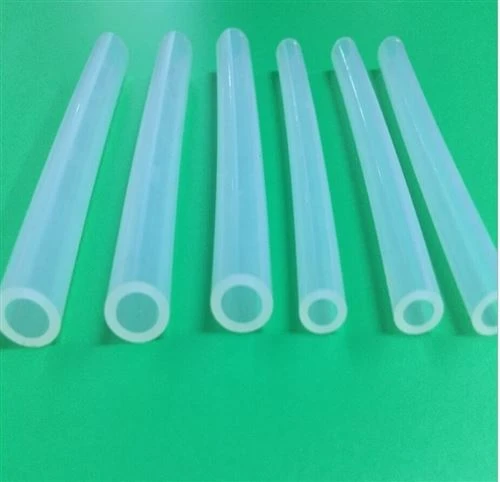
The shelf life of silicone tubing typically depends on its storage conditions and quality. Generally, if unopened and properly stored, silicone tubing has a shelf life of approximately three years. However, once opened and exposed to oxygen and moisture in the air, its shelf life will be shortened to about one year. These estimates are based on industry standards and the general aging process of silicone materials.
Silicone tubing is a widely used elastic material in various fields such as industry, medicine, and food. Its shelf life is a major concern for users. Understanding the shelf life of silicone tubing not only helps in making informed purchasing decisions but also ensures safety and effectiveness during use.
I. Shelf life and influencing factors of silicone tubing
The shelf life of silicone tubing is not fixed but is affected by a variety of factors. First, the quality of the silicone material matters; tubing made from high-quality silicone is more durable and has a longer shelf life. Second, storage conditions are crucial; silicone tubing should be stored in a dry, well-ventilated, and dark environment to slow down material aging. Finally, the usage environment is also important; silicone tubing is affected by factors such as temperature, pressure, and the medium used, all of which can impact its lifespan.
II. Shelf life of unopened silicone tubes
Generally, if silicone tubing remains unopened after leaving the factory and is stored in a suitable environment, its shelf life is approximately three years. This is because, in a sealed state, the silicone tubing is isolated from oxygen and moisture in the air, thus slowing down the material aging process. However, this does not mean that unopened silicone tubing can be stored indefinitely, as the material itself will gradually age over time.
III. Shelf life of silicone tubes after opening
Once silicone tubing is opened, its shelf life is significantly shortened upon exposure to oxygen and moisture in the air. Typically, opened silicone tubing has a shelf life of about one year. During this year, the elasticity and chemical resistance of the silicone tubing may gradually decrease, and it may even develop cracks or hardening. Therefore, when using opened silicone tubing, its performance should be closely monitored, and aged tubing should be replaced promptly.
IV. Methods to Extend the Service Life of Silicone Tubes
To extend the service life of silicone tubing, in addition to choosing high-quality materials, the following points should be noted: 1. Proper storage: Store silicone tubing in a dry, ventilated, and light-protected environment, avoiding direct sunlight and high temperatures; 2. Regular inspection: Inspect the silicone tubing regularly, and replace it immediately if aging or cracks are found; 3. Correct use: During use, avoid excessive stretching, twisting, or compression of the silicone tubing to reduce mechanical damage.
In summary, the shelf life of silicone tubing is affected by a variety of factors, and proper storage and usage are crucial to extending its service life. Users should plan their purchases accordingly to ensure that the silicone tubing maintains its optimal performance throughout use.