
Do silicone kitchen utensils have a low friction surface? Well, that's a question I get asked a lot as a supplier of Silicone Kitchen Utensils. And the answer is a bit more complex than a simple yes or no.
Let's start by understanding what silicone is. Silicone is a synthetic polymer made up of silicon, oxygen, carbon, and hydrogen. It's known for its flexibility, heat resistance, and durability, which makes it a popular choice for kitchenware. But when it comes to friction, things get a bit tricky.
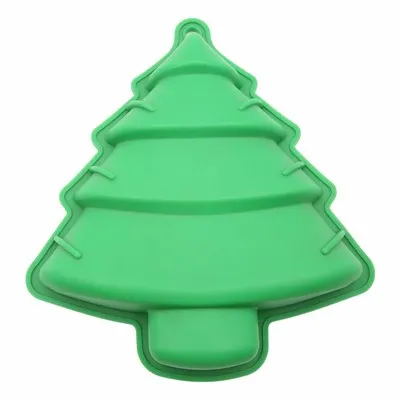
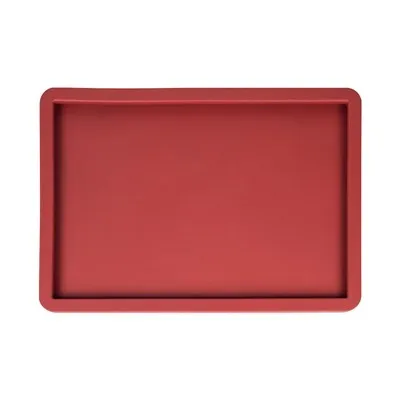
In general, silicone does have a relatively low - friction surface. This is one of the reasons why it's so great in the kitchen. For example, Silicone Baking Tools like muffin pans and cake molds are a breeze to clean. The low - friction surface means that baked goods don't stick to the pan as much as they do with traditional metal or glass pans. You can easily pop out your muffins or cakes without having to worry about them breaking apart or leaving a big mess behind.
The same goes for Silicone Ice Trays. The low friction allows the ice cubes to slide out smoothly. You don't have to bang the tray against the counter or run it under hot water for ages to get the ice out. It's a simple, hassle - free process.
But it's not always that straightforward. The friction of a silicone surface can be affected by a few factors. First off, the quality of the silicone matters. Cheaper silicone utensils might have a rougher surface due to impurities in the manufacturing process. These rough spots can increase friction, making the utensil less slippery than it should be.


Another factor is the finish of the silicone. Some silicone kitchen utensils have a matte finish, while others have a glossy finish. Matte - finished silicone usually has a slightly higher friction compared to the glossy type. This can be an advantage in some cases. For example, a Food - grade Silicone Oil Brush with a matte finish might give you better control when you're brushing oil on a grill or a baking sheet. The extra friction helps you hold the brush firmly in your hand.
The environment in which the silicone utensils are used also plays a role. If the utensils are wet, the friction can change. Water can act as a lubricant on the silicone surface, reducing the friction even further. On the other hand, if there's food residue or grease on the utensil, it can increase the friction. You might notice that a silicone spatula becomes a bit sticky and harder to move around when it's covered in thick batter.
Let's talk about some specific silicone kitchen utensils and how their friction surfaces work in real - life situations. Take the High Heat Resistant Silicone Spatula. When you're using it to scrape the sides of a mixing bowl, the low - friction surface allows it to glide smoothly. You can get every last bit of batter or sauce out without having to apply too much pressure. But when you're using it to flip a pancake on a hot griddle, the friction needs to be just right. If it's too low, the pancake might slip off the spatula. If it's too high, it might be difficult to slide the spatula under the pancake.
Silicone tongs are another example. The friction on the gripping part of the tongs is crucial. You need enough friction to hold onto food items like chicken pieces or vegetables without them slipping out. At the same time, the overall handle of the tongs should have a low - enough friction so that it's comfortable to hold and easy to move around.
Now, why does this matter for you as a consumer? Well, understanding the friction of silicone kitchen utensils can help you choose the right ones for your needs. If you're someone who loves baking and wants easy - release pans, you'll benefit from the low - friction properties of silicone baking tools. If you're more into grilling and need a firm grip on your utensils, you might prefer those with a slightly higher - friction finish.
As a supplier, I've seen firsthand how important these details are. That's why we put a lot of effort into making sure that our silicone kitchen utensils have the right balance of friction. We use high - quality silicone and advanced manufacturing processes to ensure a consistent surface finish.
If you're in the market for some great silicone kitchen utensils, I encourage you to reach out. Whether you're a home cook looking to upgrade your kitchen or a business owner interested in bulk purchasing, we're here to help. Our team can provide you with more information about the products, their features, and how they can best suit your requirements.
In conclusion, while silicone kitchen utensils generally have a low - friction surface, there are many variables at play. It's all about finding the right type of silicone utensil that meets your specific cooking and baking needs. So don't hesitate to get in touch and start your journey with high - quality silicone kitchenware.
References
- Scientific research on silicone polymer properties
- Industry reports on silicone kitchenware manufacturing and usage.